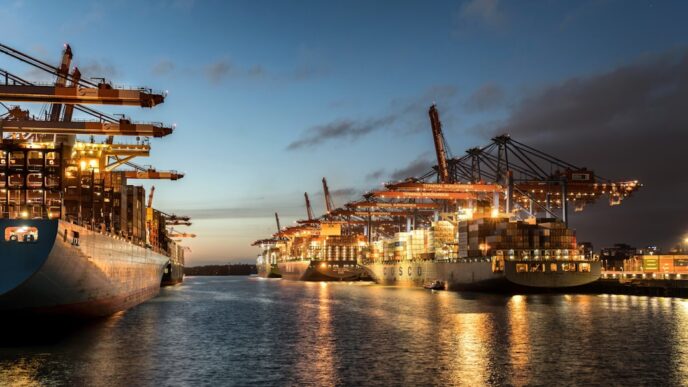

Raising tariffs typically leads to higher consumer prices. When a government imposes tariffs, it increases the cost of imported goods. Importers often pass these extra costs onto consumers, resulting in higher retail prices for products affected by the tariffs. For example, if a country raises tariffs on steel imports, the cost of steel for manufacturers rises. Consequently, businesses might raise prices on goods that use steel, such as cars and appliances, making them more expensive for consumers.
In addition to direct price increases, tariffs can cause inflationary pressures in the economy. As consumers adapt to new prices, they may face a broad rise in living costs. The 2018 tariffs imposed by the United States on steel and aluminum imports provide a clear illustration. The administration claimed that these tariffs would protect domestic industries, but many economists argue they contributed to rising prices for a range of consumer products. In particular, industries reliant on these raw materials had to adjust their pricing strategies, leading to increased costs for consumers.
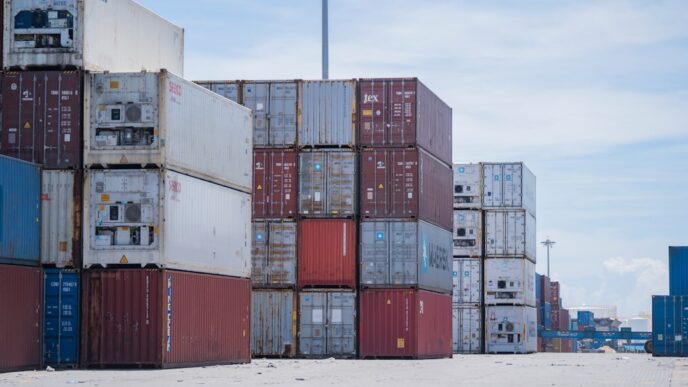
Moreover, tariffs can disrupt supply chains. Companies often rely on international suppliers for various components. When tariffs are introduced, they may seek alternative sources or absorb costs, impacting their overall pricing strategy. This can lead to price increases not just in the affected sectors but across the board, as other businesses react to the ripple effects of the tariffs on their supply chains and cost structures.
While some sectors may benefit from tariffs—like domestic producers who gain a competitive edge against foreign imports—consumers often bear the brunt of the cost. The disconnect between protecting local industries and the broader economic impact on consumers can lead to public discontent. For instance, after the steel tariffs were implemented in the U.S., there was significant backlash from industries that relied on steel for production, illustrating the complexities of such trade policies.
Tariffs also provoke retaliatory measures from trading partners. If another country raises tariffs in response, it can lead to a trade war, further inflating prices and stymying economic growth. The ongoing trade tensions between the U.S. and China exemplify this scenario, where both sides have imposed tariffs on each other’s goods, affecting global supply chains and increasing uncertainty in various markets.
In summary, while raising tariffs might aim to protect domestic jobs and industries, the consequences for consumer prices can be significant and complex. The higher costs flow through to consumers, while the broader economic landscape can shift dramatically due to changes in trade relationships. Understanding these dynamics is crucial for navigating the impacts of trade policy on everyday expenses.