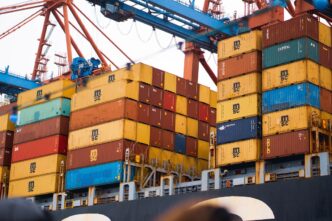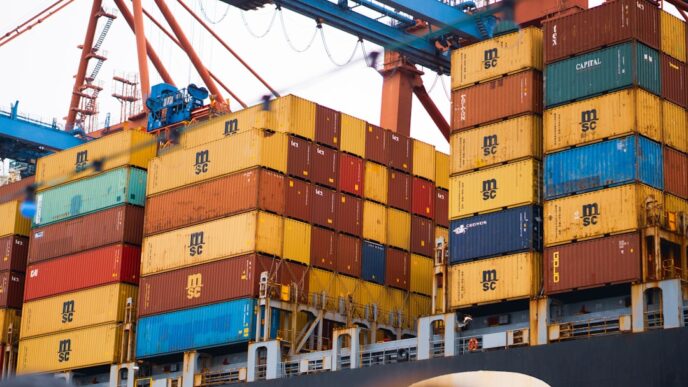

Tariffs increase the cost of imported goods, which can lead to higher prices for consumers. When a government imposes tariffs, it essentially adds a tax on foreign products, making them more expensive in the domestic market. For example, if the United States raises tariffs on steel imports, domestic steel prices might rise since manufacturers will pass on the added costs to consumers. This can result in higher prices not only for steel products but also for items made with steel, such as cars and appliances.
The overall economic impact of tariffs can be complex. While they aim to protect domestic industries by making foreign products less competitive, they also risk retaliation from trading partners. This can lead to a trade war, where affected countries impose their own tariffs, further escalating costs. For instance, during the U.S.-China trade tensions, both countries levied tariffs on each other’s goods, affecting a wide range of products from electronics to agricultural goods. This situation resulted in increased prices for consumers and uncertainty for businesses relying on global supply chains.
Consumers often feel the pinch directly. When tariffs raise the costs of imports, businesses may choose to pass those costs onto customers. Here are some potential outcomes of increased tariffs:
– **Higher Consumer Prices:** Basic goods, electronics, and even groceries can see price hikes.
– **Reduced Choices:** Tariffs may limit the supply of certain products, leading to fewer choices for consumers.
– **Economic Slowdown:** Higher prices can reduce consumer spending, which is a significant driver of economic growth.
Tariffs can also have indirect effects on the economy, particularly in sectors reliant on international trade. For example, agricultural producers might suffer if foreign markets retaliate by imposing tariffs on U.S. crops. This creates an environment of uncertainty, making it harder for farmers to plan their operations and investments.
The long-term effects of tariffs can be damaging, leading to structural changes in the economy. Industries that benefit from protection may become less competitive over time without the pressure of foreign competition. In this scenario, the initial goal of protecting domestic jobs could paradoxically lead to job losses in the long run as companies falter without the incentive to innovate or reduce costs.
Real-world examples illustrate these points vividly. Following the implementation of tariffs on washing machines and solar panels in the U.S. in 2018, manufacturers like Whirlpool saw an increase in domestic production. However, this also resulted in higher prices for consumers, leading to pushback and calls for policy reassessment. The balancing act between protecting local businesses and keeping consumer prices in check is a challenging one for policymakers.
In summary, while tariffs are often used to protect domestic industries, they can lead to increased consumer prices and broader economic ramifications. The interplay between protectionism and consumer costs highlights the complexities of trade policy and its impact on everyday life.