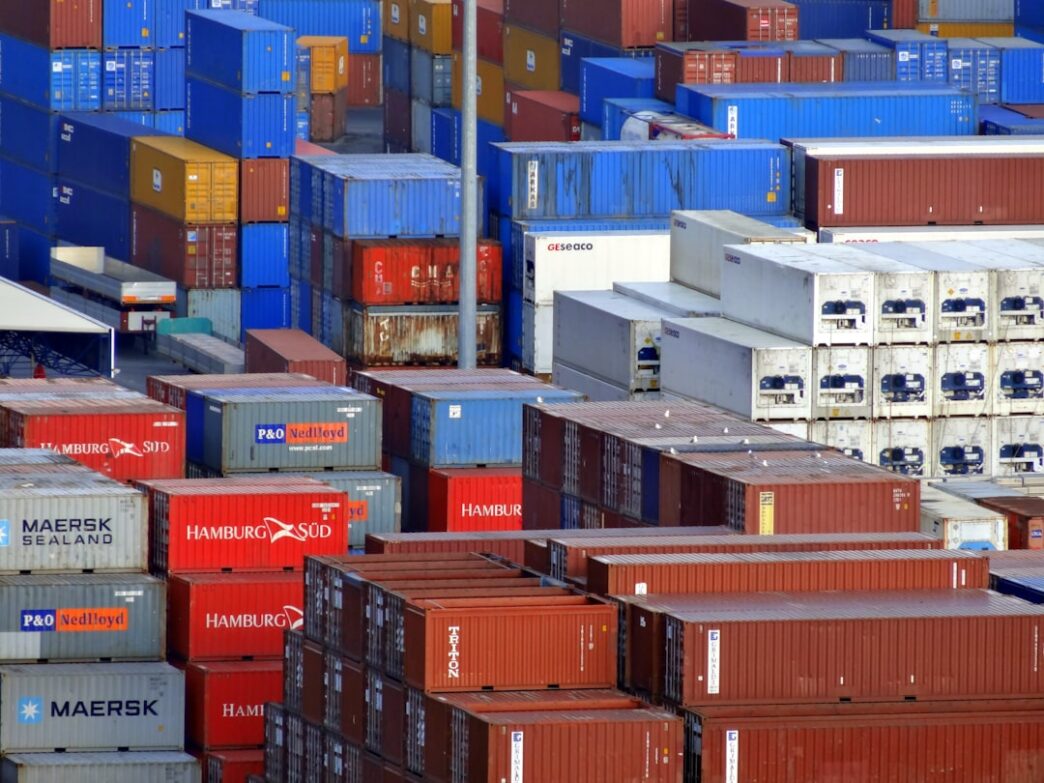
Tariffs increase the costs of imported goods, which can lead to higher consumer prices. When a government imposes tariffs on foreign products, companies often pass these costs onto consumers. This means that everyday items, from electronics to clothing, can become more expensive. For example, the tariffs imposed during the U.S.-China trade war resulted in higher prices for various goods, affecting both consumers and businesses.
The economic impact of tariffs extends beyond just price increases. They can disrupt supply chains, leading to inefficiencies in production. Companies that rely on imported materials may face higher costs, which can reduce profit margins and potentially lead to layoffs. In the long run, this can harm the overall economy as businesses cut back on hiring and investment.
Additionally, tariffs can result in retaliation from other countries. When one nation raises tariffs, affected trading partners may respond with their own tariffs, creating a cycle of escalating trade barriers. This not only impacts the targeted industry but can also have broader implications for international relations. For instance, when the U.S. imposed tariffs on steel and aluminum, countries like Canada and the European Union retaliated with their own tariffs on U.S. goods, impacting sectors like agriculture and automotive.
While some industries may benefit from tariffs—such as domestic producers who face less competition from imports—this protectionism often leads to higher prices for consumers and can stifle competition. A classic example of this is the U.S. sugar industry, which has long been protected by tariffs, keeping U.S. sugar prices significantly higher than those in the global market.
Furthermore, tariffs can contribute to inflation. As the costs of goods rise, consumers may adjust their spending habits, which can slow down economic growth. If businesses anticipate further increases, they may pull back on investment, leading to a slowdown in innovation and expansion.
In summary, while tariffs are often seen as a tool to protect domestic industries, they come with significant trade-offs. Higher consumer prices, potential job losses in affected sectors, retaliatory measures from other countries, and inflation are all potential consequences of implementing tariffs. Understanding these dynamics is crucial for consumers and policymakers alike when assessing the implications of trade policies.