
Tariffs, essentially taxes imposed on imported goods, can have a profound impact on a country’s economy. When a government raises tariffs, it directly affects the prices of imported products, leading to a range of economic consequences. Consumers may face higher costs for goods that are now more expensive due to these taxes, influencing overall consumer spending and inflation rates.
For example, when the United States implemented tariffs on steel and aluminum in 2018, it aimed to protect domestic industries. While this policy did lead to a short-term boost for U.S. steel manufacturers, it also resulted in increased prices for various products, including cars and construction materials. Companies that relied on these imports faced higher production costs, which they often passed on to consumers. As a result, various sectors experienced a downturn in sales, affecting employment and investment decisions.
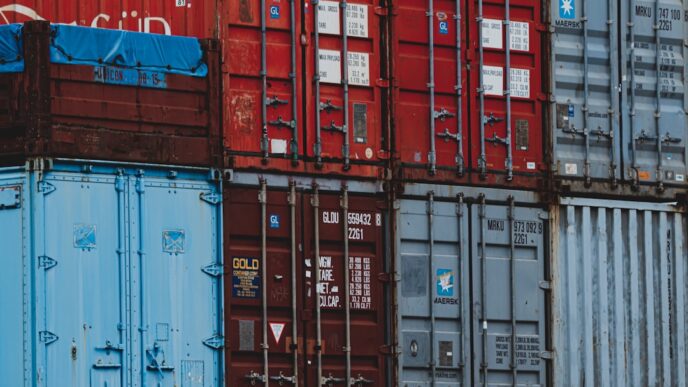
The impact of tariffs extends beyond domestic prices. They can also disrupt international trade relationships. Countries targeted by tariffs may retaliate with their own tariffs, leading to a trade war. This situation can create uncertainty in global markets, making businesses hesitant to invest. For instance, during the U.S.-China trade tensions, both countries imposed tariffs on hundreds of billions of dollars of goods, which not only affected American and Chinese businesses but also had ripple effects on global supply chains and economies worldwide.
Key effects of tariffs include:
– **Increased Prices:** Consumers pay more for imported products, which can lead to overall inflation.
– **Supply Chain Disruptions:** Companies may struggle with higher costs and may need to adjust their sourcing strategies.
– **Retaliation:** Affected countries might impose their own tariffs, leading to reduced exports for the initiating country.
– **Domestic Industry Protection:** Some industries may thrive due to reduced foreign competition, but this can lead to higher prices for consumers.
– **Economic Growth Impact:** While some sectors might benefit, overall economic growth could stagnate due to decreased consumer spending and increased uncertainty.
In addition to direct economic effects, tariffs might also shift the landscape of international relations. Countries often negotiate trade deals or reconsider existing treaties in response to new tariff policies. The dynamics of these relationships can influence not only trade but also political ties.
Ultimately, while tariffs can serve as a protective measure for certain domestic industries, they come with complex trade-offs that can affect the broader economy. Businesses and consumers alike need to consider these implications when navigating a landscape shaped by shifting tariff policies.