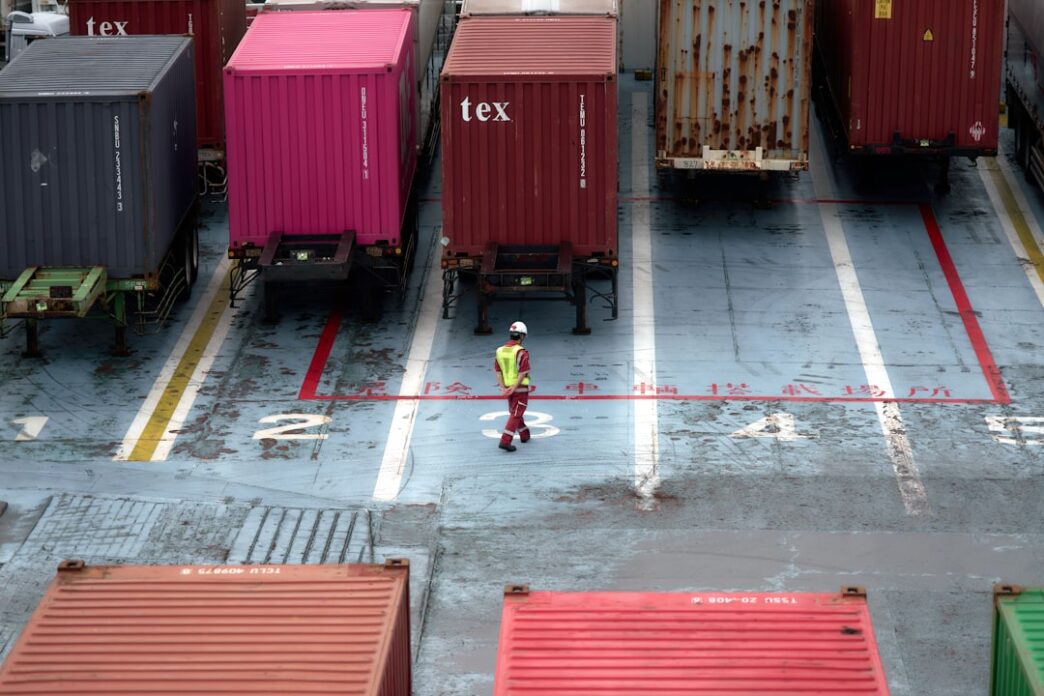
Tariffs, which are taxes imposed on imported goods, directly raise the prices of those goods for consumers and businesses that rely on them. When a country implements tariffs, it essentially increases the cost of importing certain products, which manufacturers and retailers may pass on to consumers. This price increase can lead to higher costs of living, especially for essential goods like food and electronics that are often imported.
For example, when the United States imposed tariffs on steel and aluminum imports in 2018, the prices of domestic products that rely on these materials began to rise. Manufacturers faced higher costs for their raw materials, which they either absorbed, affecting their profit margins, or transferred to consumers through higher retail prices. According to the Economic Policy Institute, these tariffs contributed to an increase in prices for consumers by as much as 1.3% on average for certain products.
Additionally, tariffs can lead to reduced competition in the domestic market. When imported goods become more expensive, consumers may have fewer options, leading to less competitive pricing. This scenario can create a cycle where domestic producers raise their prices because they know consumers have limited alternatives due to the tariff-induced price hikes.
In some cases, tariffs can also lead to retaliatory measures from trading partners. If one country raises tariffs, another country may respond in kind. For instance, after the U.S. tariffs on steel and aluminum, countries like Canada and Mexico imposed their own tariffs on American goods, further complicating the pricing landscape. This not only affects prices but can also disrupt supply chains and lead to job losses in industries reliant on exports.
The impact of tariffs is also seen in specialized sectors. Consider the automotive industry. If a country imposes tariffs on car imports, the immediate effect would be higher prices for imported vehicles. Domestic car manufacturers might benefit initially due to less competition, but over time, if their prices rise due to reduced competitive pressure, consumers may experience limited choices and higher costs.
It’s important to note that while tariffs can protect certain domestic industries and jobs in the short term, they often lead to unintended consequences that can hurt the economy in the long run. Economists argue that the overall effect of tariffs can be detrimental as they may lead to trade wars and hinder economic growth. For instance, during the trade tensions between the U.S. and China, both countries saw disruptions in their supply chains and increased uncertainty in their markets, which impacted growth projections.
In summary, tariffs significantly impact the prices of imported goods by raising costs for consumers. They create a ripple effect throughout the economy, influencing competition, consumer choice, and even international relations. The broader economic implications underscore the complexity of trade policies and highlight the need for careful consideration of their long-term effects.