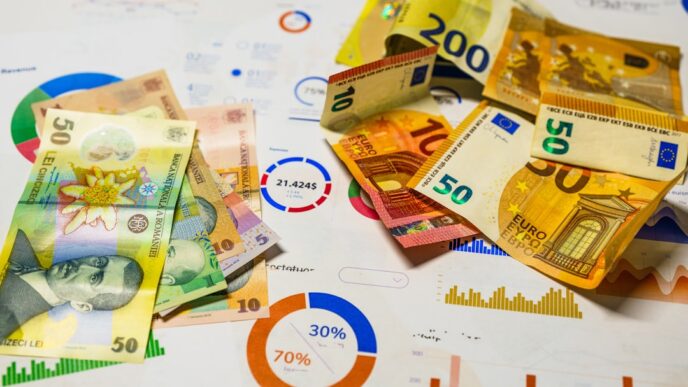

Changes in interest rates have a profound influence on consumer spending, primarily because they affect borrowing costs and the returns on savings. When interest rates rise, borrowing becomes more expensive. Individuals looking to take out loans for big-ticket items like homes, cars, or even personal loans will think twice if they know their monthly payments will increase. This decrease in borrowing can lead to reduced consumer spending overall.
For example, during the early 2000s, the Federal Reserve lowered interest rates to stimulate the economy following the dot-com bubble burst. This encouraged consumers to borrow more, resulting in an uptick in spending and, ultimately, economic growth. Conversely, when the Fed raised rates in 2018 to combat rising inflation, many consumers pulled back on spending, fearing higher costs associated with loans.
In practical terms, here’s how it breaks down:
– **Higher Interest Rates:**
– Increases the cost of loans (mortgages, car loans, credit cards).
– Makes saving more attractive due to higher returns on deposits.
– Consumers may prioritize saving over spending, leading to lower demand for goods and services.
– **Lower Interest Rates:**
– Reduces the cost of borrowing, making it easier for consumers to finance purchases.
– Encourages spending, as lower loan costs can stimulate demand for housing, automobiles, and other consumer goods.
– Businesses may invest more in capital, expecting increased consumer spending.
Interest rates also influence consumer confidence. If rates are rising, consumers may perceive this as a signal that the economy is getting tighter, which could lead to increased caution in spending. In contrast, falling rates can create optimism about future economic conditions, prompting increased spending.
Real-world instances underscore these dynamics. For instance, during the COVID-19 pandemic, central banks worldwide slashed interest rates to near-zero to combat economic slowdown. This resulted in a significant increase in consumer spending, particularly in sectors like home improvement and electronics, as people sought to invest in their homes and adapt to new work-from-home arrangements.
Additionally, the relationship between interest rates and inflation plays a critical role. When inflation is high, central banks often raise interest rates to cool down the economy. As borrowing costs rise, consumers may cut back on spending, which can further contribute to a slowdown in economic growth.
Ultimately, the fluid relationship between interest rates and consumer spending is a key aspect of macroeconomic policy. Understanding this connection helps individuals make informed financial decisions, from whether to buy a home to how much to save versus spend. The broader economic implications are significant, influencing everything from employment rates to overall economic growth.