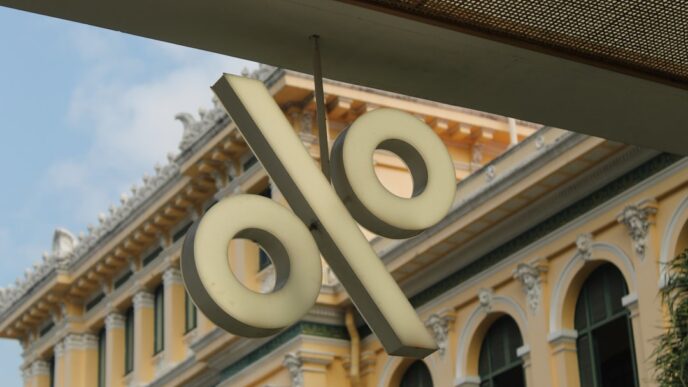

Interest rates play a critical role in shaping consumer spending and investment decisions. When central banks, like the Federal Reserve in the United States, adjust interest rates, they directly influence the cost of borrowing money. Lower interest rates make loans cheaper, encouraging consumers to borrow for big-ticket items like homes and cars. Conversely, when rates rise, borrowing becomes more expensive, often leading to reduced spending.
For example, during the 2008 financial crisis, the Federal Reserve slashed interest rates to near-zero levels to stimulate the economy. This move aimed to promote consumer spending by making credit more accessible. As a result, many consumers took out loans for homes or refinanced existing mortgages, helping to revive the housing market and broader economy.
Here’s how interest rates affect various economic behaviors:
– **Consumer Spending:** Lower rates encourage consumers to finance larger purchases, leading to an increase in retail sales. On the other hand, higher rates can lead to a decline in consumer confidence, as monthly payments on variable-rate loans like credit cards and adjustable-rate mortgages increase.
– **Business Investment:** Companies often rely on loans to finance expansion projects. When interest rates are low, businesses are more likely to invest in new equipment, technology, or facilities. High rates, however, can lead firms to shelve investment plans, slowing down economic growth.
– **Housing Market:** Interest rates directly impact mortgage rates. When rates drop, more individuals can afford to buy homes, stimulating housing construction and related industries. Conversely, rising rates can cool off housing demand and price growth.
The relationship between interest rates and economic activity is also evident in emerging markets. For instance, Brazil’s central bank has adjusted rates to combat inflation and stabilize the currency. In periods of high inflation, raising interest rates can help to bring prices down, but it may also stifle growth by discouraging investment and spending.
One crucial aspect of interest rates is their influence on savings as well. Higher interest rates can incentivize individuals to save more, as they receive better returns on savings accounts and fixed deposits. This shift can further affect spending in the short term, as consumers may prioritize saving over immediate purchases.
Understanding the dynamics of interest rates is essential for both consumers and businesses. It helps stakeholders make informed decisions about loans, investments, and financial planning. For policymakers, adjusting interest rates can be a powerful tool to manage economic growth, control inflation, and influence employment levels.
In summary, changes in interest rates can have far-reaching effects on consumer behavior and business investment, impacting the overall economy. Keeping an eye on these changes can provide insights into future economic trends.