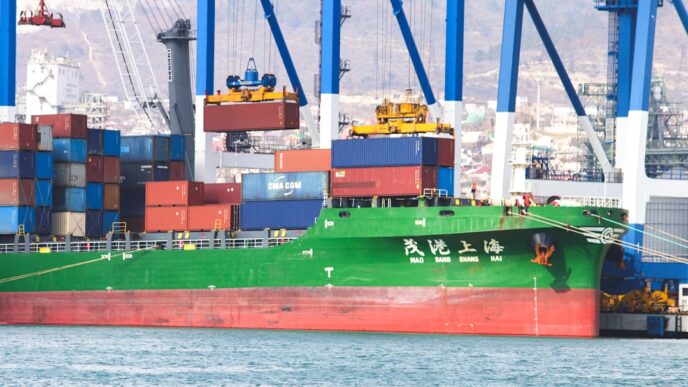
Tariffs, which are taxes imposed on imported goods, directly affect consumer prices and the broader economy. When a country raises tariffs, it typically results in higher costs for imported products. This increase in cost is often passed down to consumers, leading to higher prices for everyday items. For example, if the United States imposes a tariff on imported steel, the price of goods like appliances and cars that use steel can rise. This means consumers may end up paying more, which can decrease overall purchasing power.
The knock-on effect of increased prices can lead to inflation. When consumers face higher costs for essential products, they may cut back on spending in other areas. This reduction in consumer spending can slow economic growth, as businesses see decreased demand for their goods and services. If businesses begin to cut back on production or lay off workers in response to lower demand, the economy could enter a negative cycle of reduced spending and increased unemployment.
Countries often impose tariffs as a protective measure for domestic industries. For instance, the U.S. imposed tariffs on various Chinese goods during the trade war that began in 2018. While the intention was to protect American manufacturing jobs, the tariffs contributed to increased costs for consumers on products ranging from electronics to furniture. A report from the Federal Reserve suggested that these tariffs resulted in a rise in prices for U.S. households, impacting middle and lower-income families the hardest.
In addition to affecting prices, tariffs can lead to retaliation from trade partners. If a country retaliates with its own tariffs, it can escalate into a trade war, where both sides impose tariffs on each other’s goods. This situation can further disrupt global supply chains and lead to additional price increases. For example, after the U.S. imposed tariffs on China, China responded with tariffs on American agricultural products, which hurt U.S. farmers and led to a complex web of economic consequences.
Moreover, the long-term effects of tariffs can be detrimental to the economy. While they may provide short-term protection for certain industries, they can stifle competition and innovation. Domestic producers, shielded from foreign competition, may have less incentive to improve their products or reduce their prices. This lack of competition can lead to inefficiencies and higher prices in the long run, ultimately harming consumers.
To summarize, raising tariffs can lead to a chain reaction of higher consumer prices, decreased spending, and potential economic slowdown. The broader implications can include increased inflation, retaliation from trading partners, and long-term negative effects on competition and innovation in the market. Understanding these dynamics is crucial for consumers, businesses, and policymakers alike, as the decisions regarding tariffs can resonate throughout the entire economy.