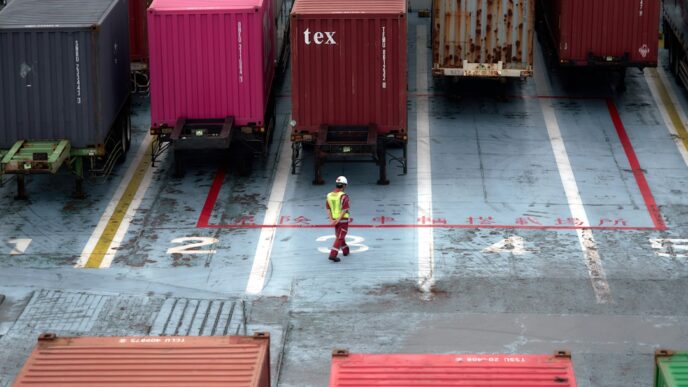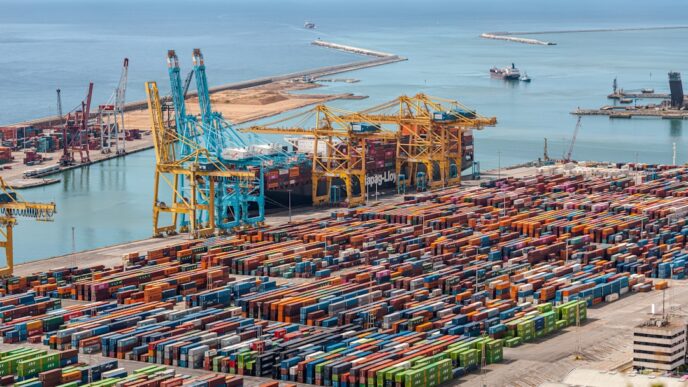

When a country raises tariffs on imported goods, it directly increases the cost of those goods for consumers. Tariffs act as a tax on imports, meaning that businesses importing products will often pass these costs onto consumers in the form of higher prices. For example, if the United States imposes a 25% tariff on steel, any company importing steel will pay more, leading them to raise prices on products that contain steel, such as cars or appliances. As a result, everyday consumers pay more for these goods.
Higher tariffs can also lead to a ripple effect throughout the economy. When the cost of imported goods rises, local manufacturers may find it easier to compete, potentially leading to increased production and job creation in some sectors. However, this can also lead to higher prices for intermediate goods that manufacturers need. For instance, if tariffs are placed on electronics components, it can increase the production costs for domestic electronics manufacturers, which may pass these costs onto consumers as well.
A classic example of the effects of tariffs occurred during the U.S.-China trade war, which began in 2018. The U.S. imposed tariffs on a wide range of Chinese goods, leading to significant price increases in various consumer products. A study found that the tariffs accounted for approximately 1.5% of inflation in the U.S. during this period, illustrating how trade policies can have a direct impact on consumer prices.
Additionally, tariffs can create uncertainty in the market. Businesses may delay investments or expansions due to unpredictable costs, which can stifle economic growth. When companies expect higher prices due to tariffs, they might also reduce their purchasing, leading to lower demand in the economy. This can create a cycle where high tariffs lead to reduced consumption, ultimately harming both businesses and consumers.
In summary, raising tariffs typically results in higher consumer prices for imported goods, which can lead to inflationary pressures in the economy. The real-world impact can vary, influencing domestic industries differently, and creating a complex landscape for consumers and businesses alike. Understanding these dynamics is crucial for navigating the economic implications of trade policies.