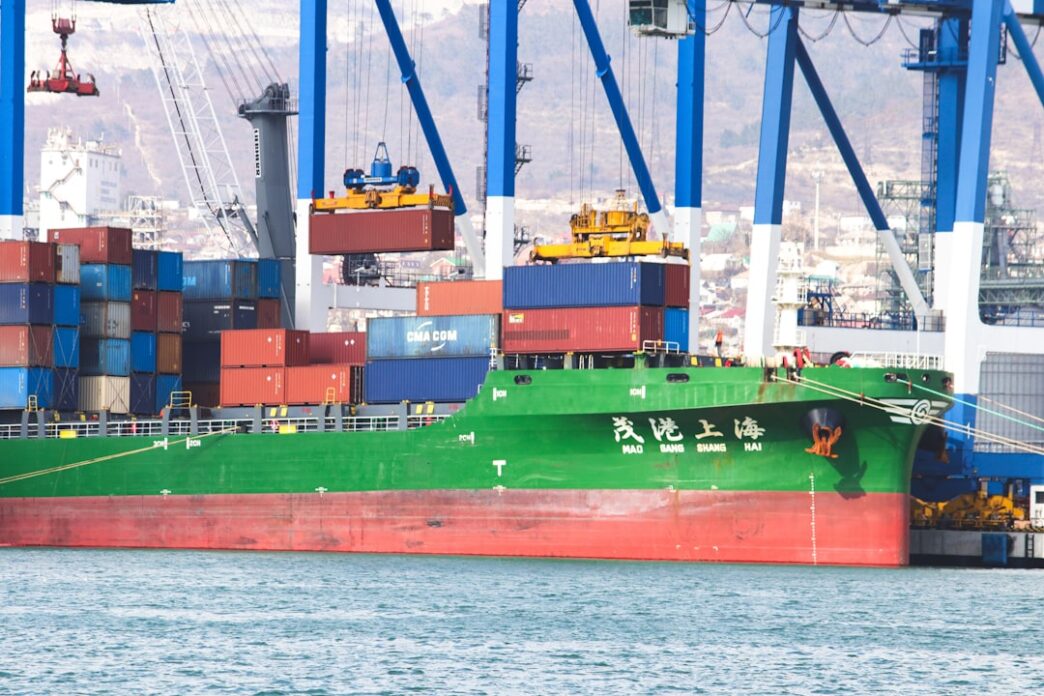
Raising tariffs on imported goods can lead to a variety of economic effects both domestically and internationally. When a government imposes higher tariffs, it essentially increases the cost of foreign products. This can lead to a reduction in imports as consumers and businesses may turn to domestically produced alternatives, which, in theory, supports local industries.
One immediate effect is the increase in prices for consumers. As tariffs make imported goods more expensive, domestic producers may raise their prices as well, knowing that consumers have fewer cheaper options. This inflationary pressure can lead to a decrease in overall consumer spending, affecting economic growth. For instance, during the U.S.-China trade war, tariffs were imposed on items ranging from electronics to agricultural products. As a result, American consumers faced higher prices for everyday goods, which led to increased costs for families and businesses.
Another crucial impact is on global supply chains. Higher tariffs can disrupt established trade relationships, prompting companies to rethink their sourcing strategies. Businesses may look for alternative suppliers or even relocate parts of their production to avoid the tariffs, which can lead to inefficiencies and increased costs. A clear example is how many U.S. manufacturers shifted their sourcing from China to other countries in Southeast Asia to circumvent tariffs, illustrating how interconnected global trade can be.
The long-term effects can also shape the competitiveness of domestic industries. Initially, tariffs may help protect local businesses from foreign competition, but they can also lead to complacency. Without the pressure to innovate and improve, domestic industries might stagnate, which poses a risk to economic vitality. Countries such as Brazil have implemented tariffs to protect local industries but often find that these measures can backfire if they do not also promote efficiency and innovation.
Moreover, there is the potential for retaliatory measures from other countries. When one nation raises tariffs, affected trading partners may respond in kind, leading to a trade war that can escalate tensions and further disrupt international trade. The U.S.–European Union trade spat over steel and aluminum tariffs serves as a prime example of how such actions can spiral into broader economic disputes, affecting industries beyond the initial targets.
In summary, while raising tariffs can provide short-term benefits to certain sectors by protecting them from foreign competition, it often comes with significant drawbacks, including higher consumer prices, disruption to global supply chains, and potential retaliation from other countries. The balance of these effects plays a crucial role in shaping economic policies and strategies moving forward.