
Tariffs, which are taxes imposed on imported goods, can have a significant impact on consumer prices and the overall economy. When a country raises tariffs, the immediate effect is usually an increase in the prices of imported goods. This happens because importers typically pass the cost of the tariff onto consumers. For instance, if a country raises tariffs on steel, manufacturers that rely on imported steel for production may increase their prices to maintain profit margins. This leads to higher costs for consumers and can contribute to inflation.
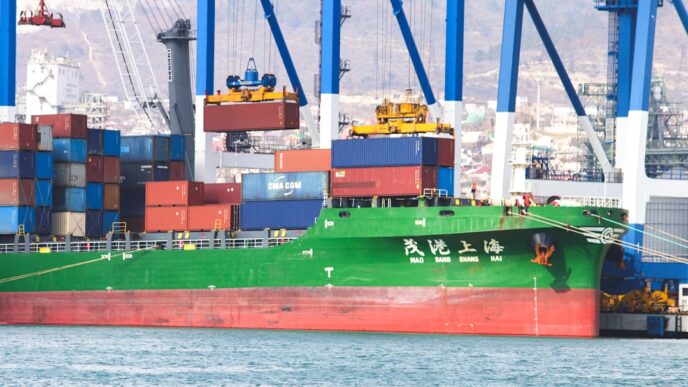
Beyond immediate price increases, tariffs can disrupt supply chains. Many businesses depend on global sourcing to keep costs down. When tariffs make imported goods more expensive, companies might be forced to find alternative suppliers or shift production domestically, which can be costly and time-consuming. Such shifts can lead to reduced efficiency and higher prices in the long run.
For instance, the United States-China trade war that began in 2018 saw the U.S. impose tariffs on various Chinese goods. In response, many American companies faced increased costs, which they often passed onto consumers. Studies showed that these tariffs resulted in higher prices on everyday items like electronics and clothing. A report from the National Bureau of Economic Research indicated that the tariffs had increased prices for U.S. consumers by about $1,300 per household on average by 2019.
The impact of tariffs goes beyond just consumer prices; they can also affect economic growth. Higher prices can lead to decreased consumer spending, as households may cut back on discretionary purchases. This decrease in demand can slow economic growth. Additionally, countries affected by tariffs may retaliate, leading to a trade war that can further harm both economies. For example, after the U.S. imposed tariffs on steel and aluminum, several countries, including Canada and the European Union, retaliated with their tariffs on American goods, leading to a cycle of escalating trade barriers.
Tariffs can also affect employment in various sectors. Industries that rely heavily on imported materials may experience job losses if production costs rise and companies decide to scale back operations. Conversely, domestic industries that benefit from reduced competition may see growth and job creation. However, the net effect on employment can be complex and varies by industry and region.
While tariffs are often justified as a means to protect domestic industries, the broader economic implications can be negative. Increased prices, disrupted supply chains, and potential job losses can outweigh the intended benefits. Policymakers must carefully consider these various effects before implementing tariff changes, as the repercussions can reverberate throughout the economy, affecting both consumers and businesses alike.
In summary, while tariffs may be intended to protect local jobs and industries, the immediate and longer-term effects on consumer prices and the economy can be significant and complex. Understanding these dynamics is crucial for consumers and businesses navigating a landscape increasingly shaped by trade policy.