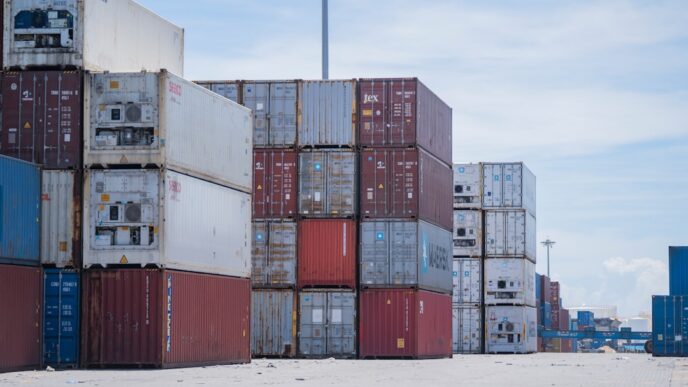
Tariffs are taxes imposed by governments on imported goods. When a country raises tariffs, the most immediate effect is often an increase in the prices of imported products. For consumers, this means paying more for goods that might have previously been cheaper. Retailers typically pass the increased costs onto consumers, which can lead to higher inflation rates. For example, when the United States implemented tariffs on steel and aluminum in 2018, many manufacturers reported increased costs. This financial burden was often transferred to consumers, raising prices on products like cars and appliances.
Beyond immediate price increases, tariffs can also impact overall economic growth. Higher tariffs can lead to retaliatory measures from other countries, escalating into trade wars that hurt various sectors of the economy. This cycle can stifle international trade, reduce export opportunities, and ultimately slow economic growth. In fact, the U.S.-China trade tensions over tariffs led to concerns among economists about a potential slowdown in both countries’ economies.
Here’s how the mechanism works in more detail:
– **Direct Price Effects:** Tariffs raise the cost of imported goods directly. When domestic industries are unable to meet consumer demand, the prices of their products can also increase. For instance, if steel prices rise due to tariffs, manufacturers who rely on steel for production will face higher operational costs.
– **Supply Chain Impact:** Many industries rely on a global supply chain. For example, the automotive industry often sources parts from multiple countries. When tariffs are imposed, it disrupts this network and can lead to delays and increased costs, affecting the final product’s price.
– **Consumer Behavior:** Higher prices can lead consumers to change their purchasing habits. They may seek out alternatives or lower-quality products, which can impact domestic industries that are unable to compete on price.
– **Retaliation and Trade Wars:** Countries affected by tariffs often respond with their own tariffs, leading to a tit-for-tat escalation. This can create a ‘trade war’ scenario, where both countries experience reduced economic activity, affecting jobs and growth.
A real-world example of this is the ongoing trade tensions between the U.S. and China. The tariffs enacted by both sides have had far-reaching effects not only on the prices of consumer goods but also on broader economic indicators such as GDP growth and employment rates in affected industries. For instance, the U.S. saw a decrease in agricultural exports to China as Chinese tariffs on American soybeans and pork increased, which hurt American farmers and contributed to a slowdown in the agricultural sector.
The economic impact of tariffs is complex and far-reaching. Policymakers must carefully consider both the short-term effects on consumer prices and the long-term implications for economic health and international relations. While tariffs can be used as a tool to protect domestic industries, they can also trigger a chain reaction that may harm the economy overall.