
Raising tariffs typically leads to higher prices for consumers. When a government imposes tariffs on imported goods, it effectively increases the cost of those goods. Importers, facing higher costs, often pass these increases onto consumers. For example, when the United States imposed tariffs on steel and aluminum in 2018, the price of various products, including cars and construction materials, began to rise. This price increase can lead to inflation, as consumers pay more for everyday items.
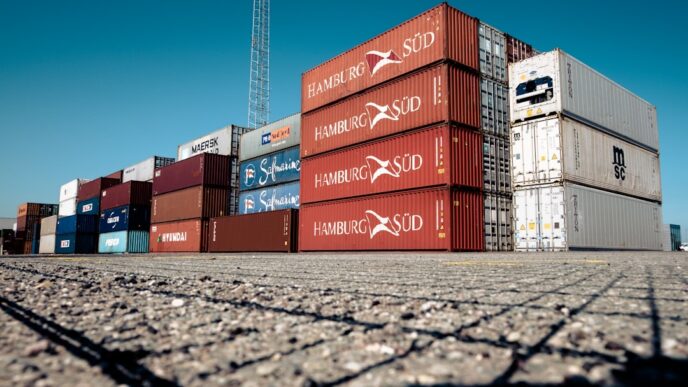
Further, tariffs can disrupt supply chains. Many manufacturers rely on imported materials to produce their goods. If tariffs increase the cost of these materials, companies might either absorb the costs, leading to reduced profit margins, or increase prices to maintain profitability. This scenario can create a ripple effect throughout the economy, affecting everything from manufacturing jobs to consumer spending.
– **Impact on domestic industries:** Initially, tariffs can protect domestic producers from foreign competition, allowing them to gain market share. However, over time, reliance on tariffs can lead to inefficiencies. Companies may become less competitive if they don’t have to innovate or improve quality due to reduced foreign competition.
– **Consumer behavior:** Higher prices can lead consumers to adjust their spending habits. For example, with rising costs, consumers might opt for cheaper alternatives, potentially harming domestic businesses that cannot compete with lower-priced imports.
Real-world examples highlight the complexities. The trade war initiated by the U.S. against China led to numerous tariff increases on consumer goods. In 2019, a study found that U.S. tariffs on Chinese products had cost American households about $1,000 a year, illustrating the tangible impact of such policies on everyday life.
Another unintended consequence of tariffs is retaliation from trading partners. Countries affected by U.S. tariffs may introduce their own tariffs on U.S. goods, affecting American farmers, manufacturers, and exporters. For instance, after the U.S. imposed tariffs, China responded by targeting U.S. agricultural products, which hurt American farmers who relied heavily on exports to that market.
Businesses also face uncertainty due to changing tariff policies, which can lead to hesitation in investment decisions. Companies may delay expansion plans or hiring, fearing the economic impact of tariffs. This uncertainty can hinder economic growth, as businesses may hold off on capital investments during times of trade volatility.
In summary, while raising tariffs can provide short-term protection for certain industries, the long-term consequences often include higher prices for consumers, disrupted supply chains, and potential retaliation from other nations. The economic landscape becomes more complex as businesses and consumers adapt to these changes, highlighting the intricate balance of international trade and domestic economic health.