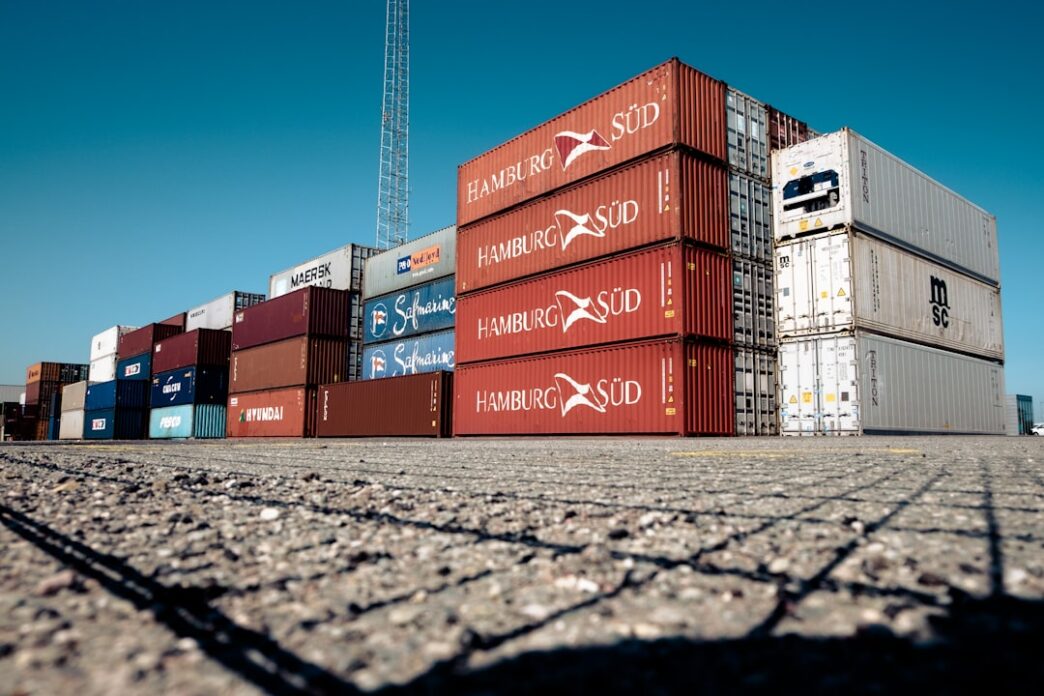
Tariffs are taxes imposed on imported goods, and they directly increase the cost of those products for consumers and businesses in the importing country. When a government raises tariffs, the immediate effect is that the prices of imported goods rise, making them more expensive for consumers. For instance, when the United States imposed tariffs on steel and aluminum imports in 2018, the price of these metals increased, which, in turn, raised costs for industries reliant on them, like automotive and construction.
Higher tariffs can lead to a domino effect on pricing. Domestic producers might respond to the increased costs by raising their prices as well, knowing that consumers have fewer imported alternatives to choose from. Consequently, this can inflate prices across various sectors, not just those initially targeted by the tariffs.
The rationale behind imposing tariffs often centers on protecting domestic industries from foreign competition. However, this can backfire. While some domestic manufacturers may benefit from reduced competition, consumers face higher prices and fewer choices. For example, the tariffs on Chinese goods during the trade war led to increased prices for electronics, clothing, and other consumer goods, impacting American households’ purchasing power.
The economic landscape is further complicated by retaliation. Countries affected by tariffs often impose their own tariffs in response. The imposition of tariffs can lead to a trade war, as seen in the recent U.S.-China trade tensions. In such cases, both countries face rising prices on a wider array of goods, ultimately burdening consumers and potentially slowing economic growth.
Here’s a quick overview of how tariffs affect imported goods:
– **Increased Prices**: Tariffs raise the cost of imports, which translates to higher prices for consumers.
– **Reduced Competition**: Domestic goods may become more competitive due to fewer foreign options, but this can lead to complacency among domestic producers.
– **Market Distortion**: The market may suffer from inefficiencies as resources are not allocated based on competitive advantage but rather on protectionist policies.
– **Broader Economic Impact**: Higher prices on imported goods can lead to inflationary pressures within the economy.
Real-world impacts can be significant, as seen in the U.S. with the ongoing debate over tariffs. The increase in costs prompted by the tariffs has been a point of contention among economists and policymakers, with many arguing that long-term economic harm often outweighs the short-term benefits of protecting certain industries.
Consumers should be aware that tariffs can affect their wallets directly, but they also influence the broader economy. Understanding the implications of tariff policies can help individuals make informed decisions, whether they’re considering purchasing a new appliance or simply trying to understand the larger economic climate.