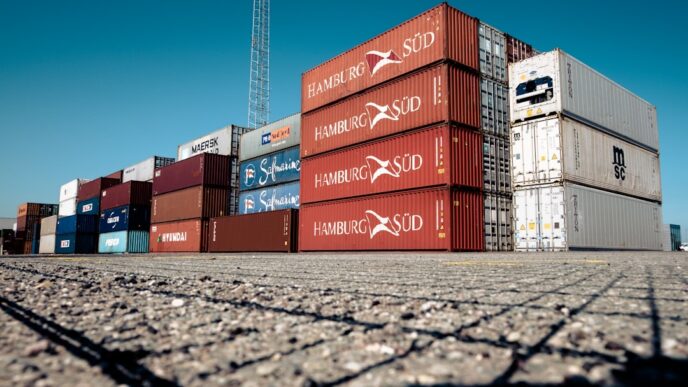

Raising tariffs increases the taxes imposed on imported goods, which can lead to a range of economic effects both domestically and internationally. When a country raises tariffs, it makes imported products more expensive for consumers. This can encourage consumers to buy domestic products, potentially boosting local industries. However, this protectionist move can also lead to higher prices for consumers and retaliatory measures by trading partners.
One immediate effect of increasing tariffs is the inflationary pressure on the economy. For instance, when the United States imposed tariffs on steel and aluminum in 2018, many industries felt the impact. The cost of raw materials rose, leading to increased prices for consumer goods like cars and appliances. Companies had to decide whether to absorb these costs or pass them on to consumers, often leading to higher prices across the board.
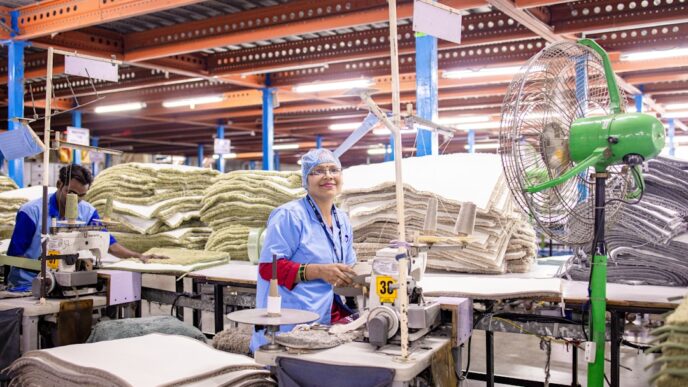
Moreover, raising tariffs can disrupt international supply chains. Many businesses rely on a global network for materials and components. When tariffs are raised, these companies may face increased costs, which can complicate their operations and reduce their competitiveness. For example, some manufacturers in the U.S. faced challenges sourcing materials from abroad, forcing them to find alternative suppliers or pay higher prices domestically.
The broader economic implications can include the following:
– **Retaliation from other countries:** Other nations may respond by imposing their own tariffs, escalating trade tensions. This can lead to a trade war, which negatively affects global trade dynamics.
– **Impact on employment:** While some domestic jobs may be saved in protected industries, jobs in exporting sectors can be threatened. If partner countries retaliate, U.S. exporters may lose access to important markets, potentially leading to job losses.
– **Economic growth slowdown:** Higher tariffs can lead to less international trade, which could slow economic growth. A reduction in trade affects companies’ revenues and can lead to a decline in investment.
The effects of raising tariffs are complex and depend on various factors, including the specific industries affected and the reactions of trading partners. A recent example can be seen in the ongoing trade tensions between the U.S. and China. Both countries have implemented tariffs on each other’s goods, leading to increased prices for consumers and uncertainty for businesses in both markets.
In summary, while raising tariffs might provide short-term benefits for certain domestic industries, it can have far-reaching consequences that may impede overall economic growth and lead to higher consumer prices. These trade-offs should be carefully considered by policymakers before implementing significant changes to tariff rates.