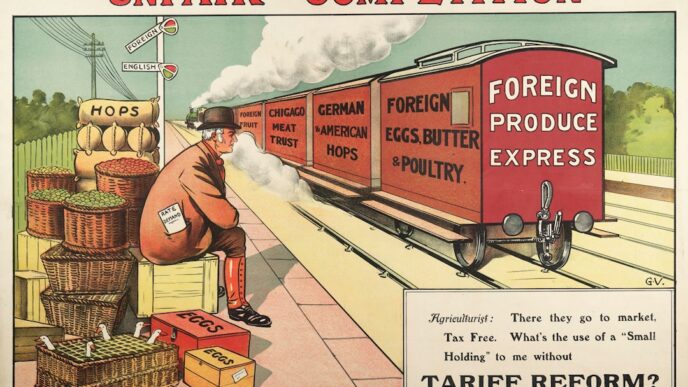

When a country raises tariffs, the immediate impact is usually felt in the pricing of imported goods. Tariffs are essentially taxes imposed on goods coming from other countries, making those products more expensive for consumers. This can lead to a variety of economic consequences, both positive and negative, depending on the structure of the economy and the specific products affected.
For consumers, higher tariffs mean increased costs for imported items. For example, if the U.S. imposes higher tariffs on steel imports, American manufacturers who rely on foreign steel may pass those costs along to consumers. This can lead to higher prices for a range of products, from cars to appliances. As a result, purchasing power is reduced, which could slow down consumer spending—an essential driver of economic growth.
On the other hand, raising tariffs can benefit domestic industries that compete with imported goods. For instance, if tariffs lead to increased prices for foreign steel, domestic steel manufacturers might see a rise in demand as their products become relatively cheaper. This could potentially lead to job creation and higher revenues in the domestic sector. However, the situation is often not as straightforward as it seems.
Trade barriers can lead to retaliation. When one country raises tariffs, other nations may respond in kind, triggering trade wars. A prime example can be seen in the recent trade tensions between the U.S. and China. After the U.S. increased tariffs on Chinese goods, China retaliated with its own tariffs on American products. This back-and-forth can hurt businesses and consumers in both countries by limiting market access and driving up prices.
Some economists argue that while tariffs can protect certain industries, they can also lead to inefficiencies in the economy. Businesses may become reliant on the protection offered by tariffs and may not innovate or improve their efficiency. Additionally, the overall cost to the economy could be greater than the benefits if consumers are forced to pay more for goods and if trade relationships are damaged.
Moreover, tariffs can disrupt global supply chains. Many companies today depend on a complex web of international suppliers. For instance, a car manufacturer might rely on parts made in multiple countries. When tariffs are increased, the costs and logistical issues can ripple through the entire supply chain, leading to delays and disruptions.
To summarize, when a country raises tariffs, it can lead to higher prices for consumers and may protect local industries but can also provoke retaliation from trade partners, disrupt supply chains, and harm the overall economy. The net effect often depends on the balance between these factors and the resilience of the domestic economy in adjusting to the new trade landscape.