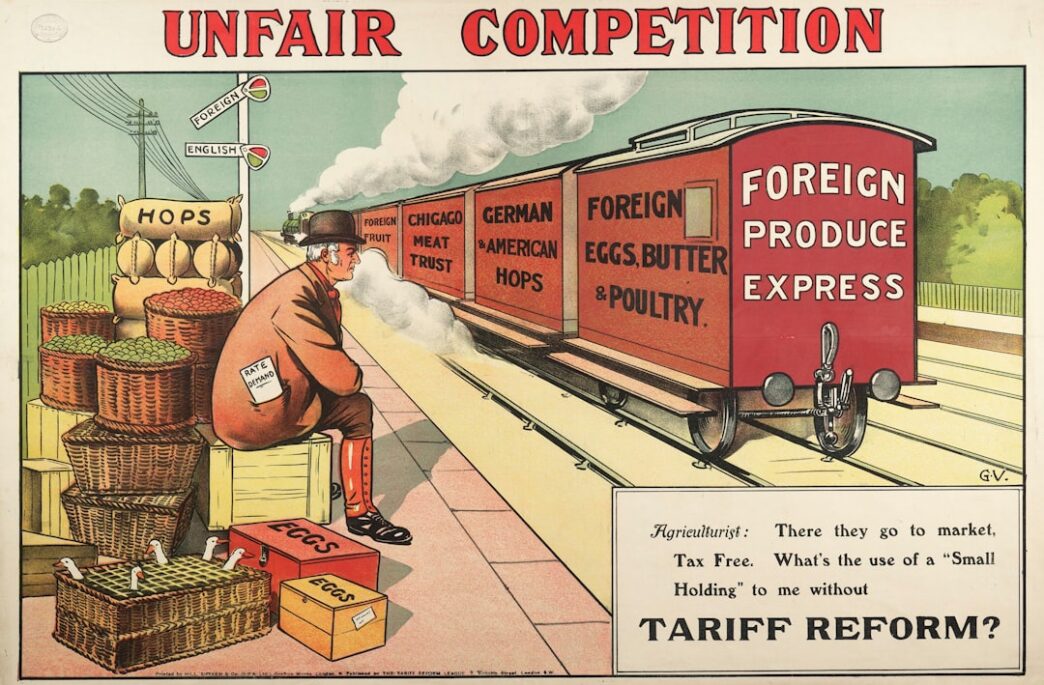
Raising tariffs on imported goods can lead to various economic consequences, both intended and unintended. Initially, higher tariffs increase the cost of imported products, making them more expensive for consumers. This can cause a ripple effect in the domestic market as local producers may raise their prices, knowing that consumers have fewer alternatives.
For example, when the United States imposed tariffs on steel and aluminum in 2018, the prices of domestic goods that relied on these materials rose. Industries such as automotive and construction faced increased production costs. While the intention behind these tariffs was to protect American jobs and industries, the reality is that American consumers and businesses absorbed many of the costs through higher prices.
Another immediate effect of raising tariffs is a potential trade war. When one country increases tariffs, affected nations might retaliate by imposing their own tariffs on exports from the initiating country. This can lead to a cycle of escalating trade barriers, potentially disrupting global supply chains. The U.S.-China trade tensions exemplified this scenario, where both countries enacted tariffs on billions of dollars’ worth of goods, disrupting markets and leading to uncertainty among businesses.
– **Negative impacts on consumers:** Higher prices for goods, reduced choices, and potential declines in quality due to less competition.
– **Impact on domestic industries:** While some sectors may benefit in the short term due to reduced competition, others that rely on imported components may suffer from increased costs, leading to potential job losses.
– **Economic growth implications:** Increased tariffs can slow economic growth, as they hinder international trade and can lead to higher inflation rates.
Furthermore, the long-term implications of raising tariffs can be complex. While they may provide temporary relief to specific industries, they can also stifle innovation and efficiency. Companies may become complacent when shielded from foreign competition. As a result, this can lead to a decrease in overall competitiveness in the global market.
Countries like Brazil and Argentina have historically used high tariffs to protect their fledgling industries, but such policies have often led to inefficiencies and slower economic growth over time. Instead of fostering a competitive market environment, protectionist policies can entrench outdated industries and limit consumer choices.
In conclusion, while raising tariffs can serve to protect certain domestic industries, the broader economic impacts can be detrimental. Higher prices, trade wars, and long-term inefficiencies often outweigh the short-term benefits of such policies. Understanding these dynamics is crucial for policymakers and consumers alike to navigate the complexities of international trade effectively.