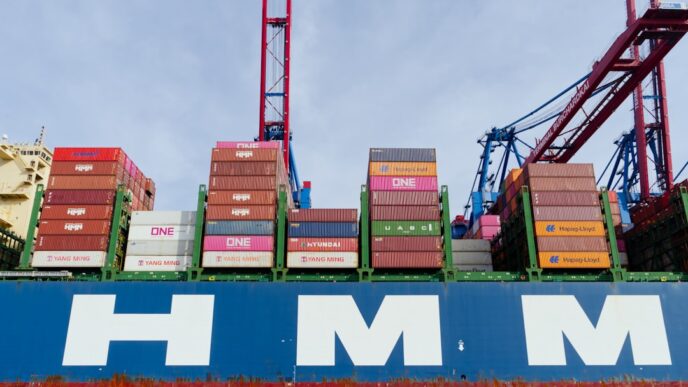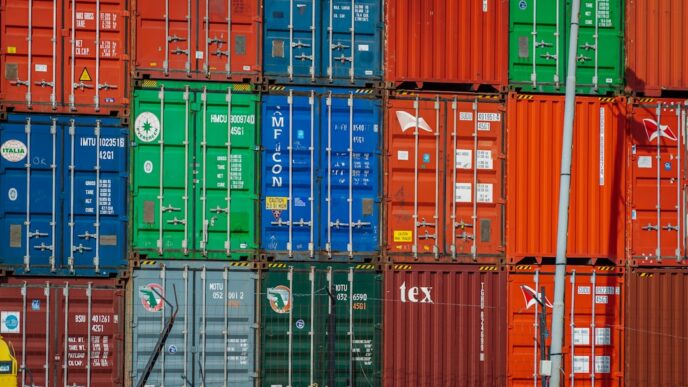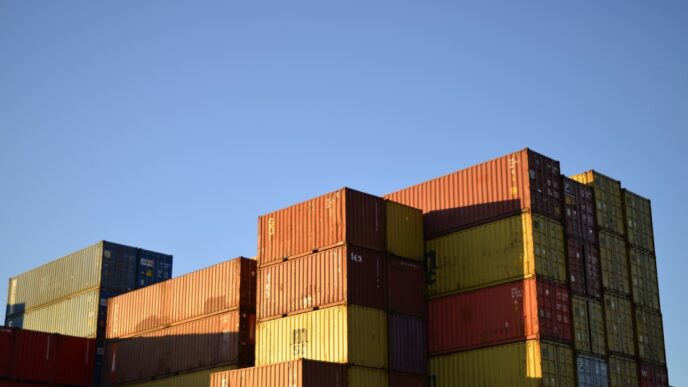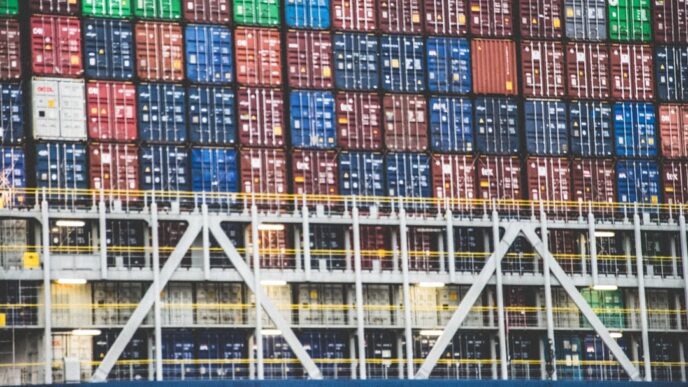

Tariffs, which are taxes imposed on imported goods, directly affect consumer prices by increasing the cost of foreign products. When a government raises tariffs, the cost of importing goods rises. Businesses that rely on these imports often pass the increased costs onto consumers, leading to higher prices for everyday items. For instance, if the U.S. imposes tariffs on steel imports, companies that manufacture cars using imported steel may raise their prices to maintain profit margins. As a result, consumers may find themselves paying more for cars, which can drive overall inflation in the economy.
The relationship between tariffs and consumer prices isn’t just a matter of simple economics; it also has broader implications for the economy and trade relationships. When tariffs are increased, it can lead to retaliation from trading partners, creating a tit-for-tat scenario. This was evident in the trade tensions between the United States and China that began in 2018, where both countries imposed tariffs on each other’s products. As a consequence, American consumers faced higher prices on various goods, including electronics, clothing, and agricultural products.
Some key effects of tariffs on consumer prices include:
– **Increased Product Prices:** Imported goods become more expensive due to the added tax, leading to higher retail prices.
– **Reduced Competition:** Domestic producers may face less competition from foreign imports, which can lead to higher prices as they have more control over the market.
– **Shift in Consumer Behavior:** As prices rise, consumers may shift their purchasing decisions toward cheaper alternatives, which can affect businesses that rely on higher-priced imported goods.
A concrete example of the impact of tariffs on consumer prices can be seen in the 25% tariff imposed on Chinese goods, which affected a wide range of products from electronics to furniture. According to a report by the Federal Reserve, these tariffs contributed to a noticeable increase in consumer prices, with estimates suggesting that U.S. households faced an additional $1,000 in costs annually due to higher prices resulting from these tariffs.
In addition, tariffs can affect inflation rates. When consumer prices rise due to tariffs, it can lead to broader inflationary pressures within the economy. This is particularly concerning in times of economic recovery, where the goal is often to keep inflation in check while boosting growth. The Federal Reserve must navigate these complexities, weighing the effects of tariffs on inflation against the need for stable economic growth.
While tariffs are often justified as a means to protect domestic industries, the reality is that they can create a ripple effect across the economy. Consumers may initially support tariffs to protect jobs in certain sectors, but as prices rise and affect their purchasing power, the sentiment can shift. Understanding the immediate and long-term effects of tariffs on consumer prices is essential for both policymakers and consumers alike.