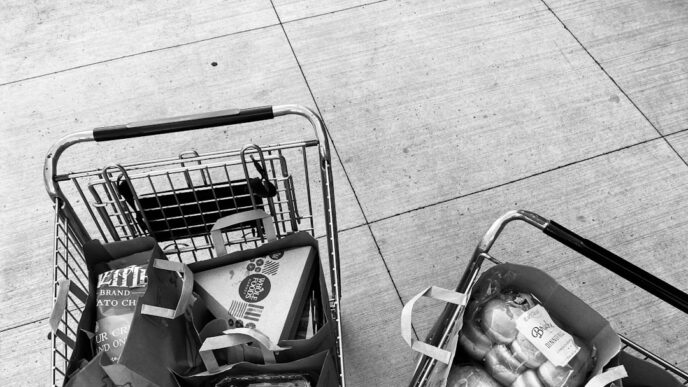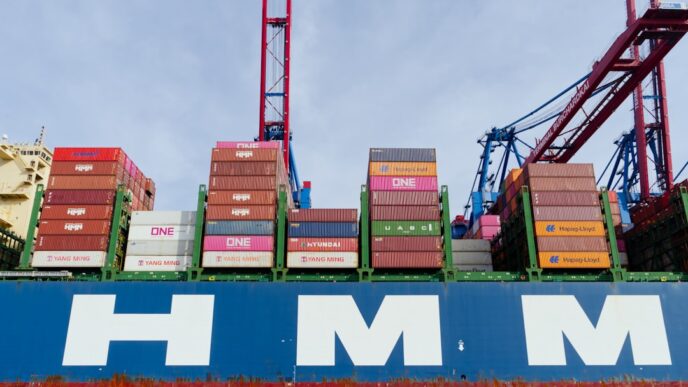

Tariffs can lead to higher consumer prices and have a significant effect on the overall economy. When a government imposes tariffs, it essentially taxes imported goods, increasing their costs. Businesses that rely on these imports often pass these higher costs onto consumers in the form of increased prices. This means that everyday items like electronics, clothing, and even food can cost more for consumers.
For example, during the U.S.-China trade war, tariffs were imposed on a wide range of products. As a result, the prices of goods such as washing machines and televisions rose. A study by the Federal Reserve estimated that the tariffs put in place during this period contributed to an increase in consumer prices by approximately 0.3% to 0.4%. This may seem small, but for a family budgeting their monthly expenses, it adds up quickly.
The higher costs associated with tariffs can also lead to reduced consumer spending. When people have to pay more for essential goods, they may cut back on other purchases, which in turn slows down economic growth. Businesses might see a dip in demand for non-essential items, leading to lower revenues and possibly affecting hiring decisions.
Moreover, tariffs can create uncertainty in the market. Companies might hesitate to invest or expand operations if they are unsure about future trade policies. This uncertainty can stifle innovation and economic growth, as businesses may hold back on capital expenditures waiting for clearer signals from policymakers.
On a broader scale, increased tariffs can lead to trade retaliations, where affected countries impose their own tariffs in response. This tit-for-tat scenario can escalate tensions and lead to a trade war. A notable instance was the U.S.-Mexico-Canada Agreement (USMCA), which replaced the North American Free Trade Agreement (NAFTA). While the intention was to create fairer trade conditions, it also had the potential to disrupt established supply chains and increase costs for both businesses and consumers.
In summary, tariffs can raise consumer prices and contribute to economic uncertainty. They influence how much consumers pay for goods and can shape broader economic trends by affecting spending habits and business investment. Understanding the implications of tariffs is essential for consumers and policymakers alike, as these decisions can ripple through the economy in significant ways.