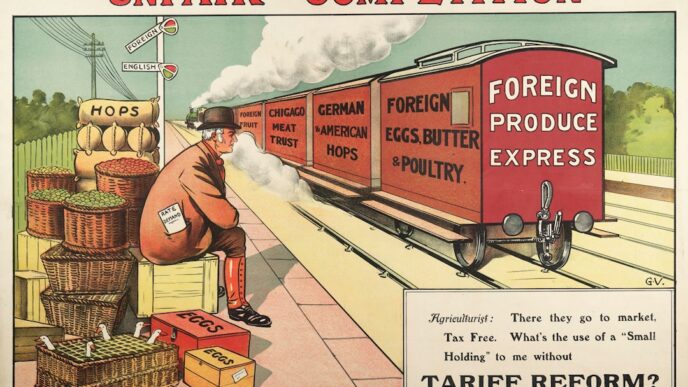

Raising tariffs typically results in increased costs for imported goods, which can lead to a range of economic effects both domestically and internationally. When a country imposes higher tariffs, it effectively taxes foreign products, making them more expensive for consumers. This can result in a decrease in the quantity of imports as consumers may opt for cheaper domestic alternatives.
For businesses, higher tariffs can mean increased production costs. If a company relies on imported raw materials or intermediate goods, those costs will rise, potentially leading to higher prices for consumers. This can create a cycle where domestic industries may benefit in the short term from reduced competition but face challenges in the long run if consumers are priced out of the market or if retaliatory measures are taken by other countries.
One significant example of this is the trade war between the United States and China that began in 2018. The U.S. raised tariffs on a range of Chinese goods in an effort to protect American manufacturers and reduce the trade deficit. While some U.S. industries initially saw a boost, the higher costs led to increased prices for consumers and strained relationships with trading partners. In response, China also imposed tariffs on American goods, impacting sectors like agriculture, where American farmers found their products facing heavy taxes in the Chinese market.
Additionally, raising tariffs can lead to inflation. When consumers pay more for imported goods, the overall price level can rise, which, in some cases, prompts central banks to adjust monetary policy. For instance, if tariffs lead to widespread price increases, the central bank may consider raising interest rates to combat inflation, thereby affecting borrowing costs and investment.
Moreover, the broader economic implications include potential job losses in industries that heavily rely on exports. If foreign countries impose retaliatory tariffs, it can adversely affect domestic exporters, leading to reductions in production and employment.
In summary, while raising tariffs may offer short-term benefits for certain industries, the broader implications often include higher consumer prices, potential inflation, retaliatory trade measures, and disruptions in global supply chains. The case of the U.S.-China trade war illustrates how these dynamics can unfold, highlighting the complex interplay between protectionist policies and their long-term economic effects.