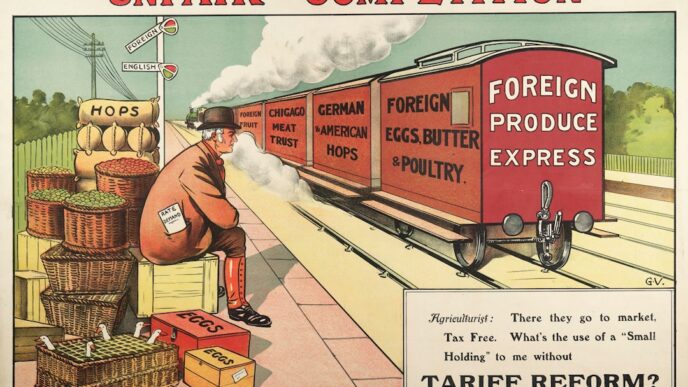
When a country raises tariffs on imported goods, it directly affects consumer prices in several significant ways. Initially, tariffs increase the cost of foreign products, which manufacturers or retailers often pass on to consumers. For example, if the United States imposes higher tariffs on steel imports, domestic steel producers may raise their prices to match or stay competitive. This ripple effect can lead to higher prices for various goods, from automobiles to construction materials.
In addition, tariffs can disrupt supply chains. Companies that rely on imported materials for production might face higher costs, which again leads to increased prices for finished goods. A practical example can be drawn from the trade tensions between the U.S. and China. When tariffs were enacted during 2018-2019, many U.S. businesses reported rising costs for products ranging from electronics to apparel, which ultimately impacted consumers with higher prices at checkout.
The relationship between tariffs and inflation is also notable. Higher consumer prices resulting from tariffs can contribute to overall inflation, especially if the tariffs affect a wide range of goods. In some instances, this can lead to a cycle where businesses raise prices, prompting consumers to spend less, which can dampen economic growth. This phenomenon was evident during the U.S.-China trade war, where the Consumer Price Index (CPI) saw fluctuations as tariffs were adjusted.
Moreover, the impact of tariffs is not uniform across all sectors. Some industries may benefit from tariff protection because they face less competition from foreign imports, potentially leading to job growth in those sectors. However, the broader economy may suffer as consumers face higher prices and reduced purchasing power.
Here are some key takeaways on how rising tariffs influence consumer prices:
– Imported goods become more expensive due to tariffs, leading to higher retail prices.
– Domestic producers might raise prices in response to increased costs for raw materials.
– Supply chain disruptions can exacerbate price increases across multiple product categories.
– Tariffs can contribute to inflation, affecting the overall economy and consumer behavior.
Real-world examples highlight the complexities involved. The implementation of tariffs under the Trump administration aimed to protect American industries but often resulted in higher prices for consumers. According to a study by the National Bureau of Economic Research, tariffs increased consumer prices by an average of 3% in the affected markets.
To summarize, rising tariffs can significantly impact consumer prices through increased costs on imports, price adjustments by domestic producers, and broader inflationary effects. Understanding these dynamics is crucial for consumers and businesses alike as they navigate a landscape influenced by changing trade policies.