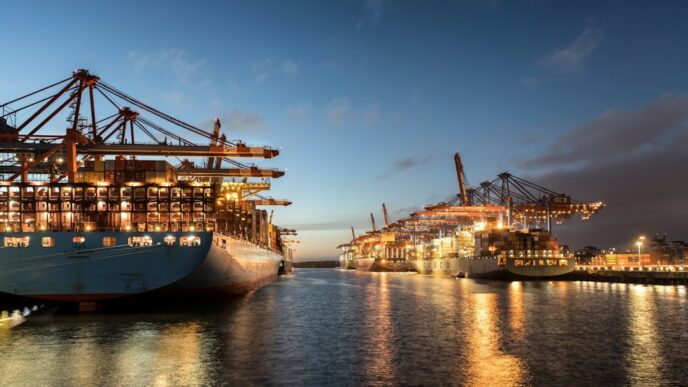
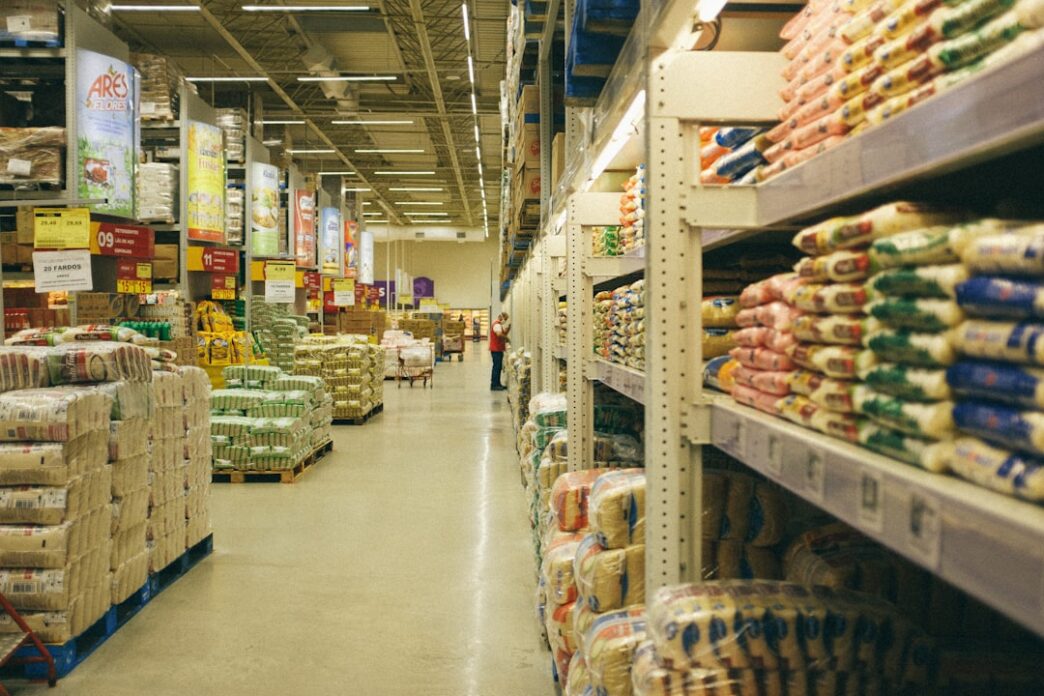
When a country raises tariffs on imported goods, it generally leads to higher consumer prices. Tariffs are essentially taxes levied on imports, which makes foreign products more expensive. As import prices rise, domestic producers often follow suit, increasing their prices to maintain profit margins. This results in a ripple effect throughout the economy where consumers end up paying more for a variety of goods—from electronics to clothing.
For example, when the United States imposed tariffs on steel and aluminum in 2018, businesses that relied on these materials saw their production costs increase. Many of these companies passed on the additional costs to consumers. This can lead to inflationary pressures, as the overall price level in the economy begins to rise. Higher prices for goods mean that consumers may have less disposable income to spend on other products, potentially leading to a slowdown in economic growth.
Additionally, tariffs can impact the supply chain significantly. Companies that import components may face delays and increased costs, which can lead to production slowdowns. This not only affects prices but also employment, as businesses may need to cut back on workforce hours or even lay off employees if they can no longer maintain their profit margins. The automotive industry, for instance, often relies on a global supply chain, and changes in tariffs can directly affect production and pricing.
Another consideration is the potential retaliation from trading partners. Countries affected by tariffs may respond by imposing their own tariffs on exports, which can hurt domestic industries. This tit-for-tat approach can escalate into a trade war, making it increasingly difficult for businesses to operate effectively. A notable example of this was the U.S.-China trade tensions, where both nations imposed tariffs on each other’s goods, leading to a decline in trade and increased uncertainty for businesses.
Tariffs also have broader implications for economic inequality. Higher prices disproportionately affect low- and middle-income households, who spend a larger share of their income on goods that become more expensive due to tariffs. This can exacerbate existing economic disparities, as wealthier households may not feel the impact as acutely.
In summary, raising tariffs can lead to increased consumer prices and a variety of economic consequences, including slower growth, supply chain disruptions, and greater inequality. The repercussions of such trade policies often extend beyond immediate price increases, affecting employment and the overall economic environment. Understanding these dynamics is crucial for consumers, businesses, and policymakers alike.