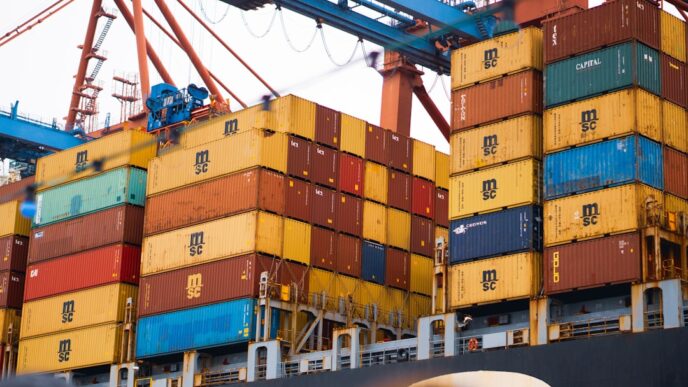

Raising tariffs, or import taxes, can significantly impact a country’s economy in several ways. The most immediate effect is an increase in the cost of imported goods. Businesses that rely on foreign materials may face higher production costs, which can lead to increased prices for consumers. For instance, when the United States imposed tariffs on steel and aluminum in 2018, many industries, including automotive and construction, reported higher costs, which often trickled down to consumers.
In addition to raising prices, tariffs can disrupt supply chains. Companies might find themselves needing to source materials from different suppliers, which can affect production times and costs. This can lead to inefficiencies in various sectors, particularly in industries that depend heavily on just-in-time inventory systems. When the tariffs on Chinese goods were raised, many American manufacturers struggled to adapt quickly, leading to production delays and reduced competitiveness.
On the flip side, raising tariffs can protect domestic industries from foreign competition. By making imported products more expensive, local businesses may gain a price advantage, potentially leading to increased sales and job creation. This was one of the main arguments presented in favor of the tariffs introduced during the Trump administration. Supporters claimed that it would revitalize American manufacturing and reduce the trade deficit.
However, the protective effects of tariffs can be a double-edged sword. While specific sectors may benefit, the economy as a whole can suffer. Higher prices can reduce consumer purchasing power, leading to decreased demand for various goods and services. This can result in a slowdown in economic growth. The Congressional Budget Office projected that tariffs imposed during this period could reduce GDP growth in the U.S. over the long term.
Moreover, other countries may retaliate with their own tariffs. This can escalate into trade wars, which further strain international relationships and create uncertainty in global markets. For example, after the U.S. imposed tariffs on Chinese imports, China responded with its own tariffs on American products, affecting a wide range of industries, from agriculture to technology.
In summary, raising tariffs can lead to higher prices for consumers, disrupt supply chains, and protect domestic industries while also risking retaliation and potential economic slowdown. The complexities involved mean that the actual impact can vary widely based on the specific context, including the industries affected and the global economic environment.
Understanding these dynamics is essential for businesses and policymakers as they navigate the intricacies of international trade. As seen in recent years, the implementation of tariffs can have far-reaching consequences, influencing everything from consumer behavior to global trade patterns.