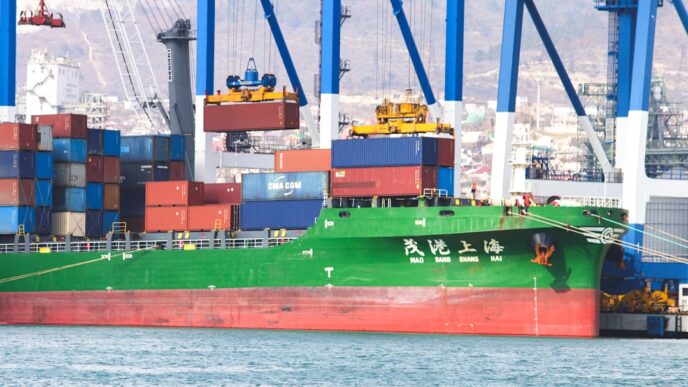

Tariffs, which are taxes imposed on imported goods, can significantly impact consumer prices and the broader economy. When a government raises tariffs, the immediate effect is often an increase in the cost of imported goods. This can lead to higher prices for consumers, as businesses typically pass on these costs. For example, if a country raises tariffs on steel imports, manufacturers who rely on steel for their products may increase prices to maintain profit margins. As a result, consumers might pay more for cars, appliances, and construction materials.
The impact of tariffs extends beyond just the products directly affected. Higher prices can lead to inflation, where the overall cost of living increases. When consumers face higher prices for essential goods, their purchasing power declines. This can result in reduced consumer spending, which is a major driver of economic growth. For instance, during the U.S.-China trade war, tariffs on various goods led to increased consumer prices, affecting everything from electronics to food products. Businesses, concerned about lower sales, may slow down hiring or investment, which can further hamper economic growth.
Another crucial aspect to consider is how tariffs can affect domestic industries. While they may provide short-term protection to certain sectors by making imported goods more expensive, they can also lead to retaliation from trading partners. Countries affected by tariffs might impose their own tariffs on exports from the imposing country, which can hurt domestic producers selling abroad. For example, when the U.S. imposed tariffs on steel and aluminum, some trading partners responded with tariffs on American agricultural products, causing a ripple effect in the economy.
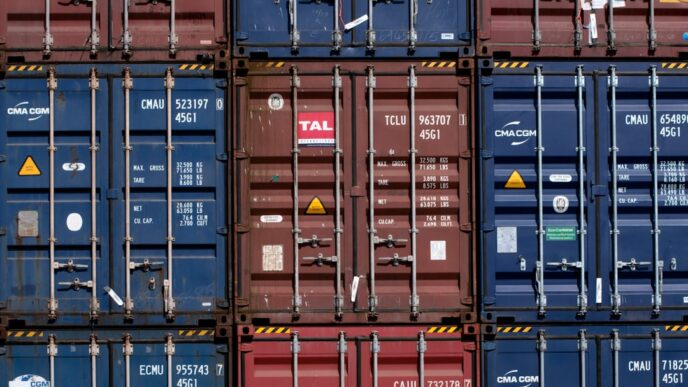
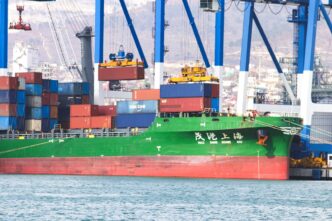
In addition to consumer prices and retaliatory trade actions, tariffs can disrupt global supply chains. Many businesses rely on a mix of domestic and international suppliers to minimize costs and maximize efficiency. Increased tariff rates can force companies to rethink their supply chain strategies, potentially leading to higher production costs or delays in product availability.
Consider the case of the European Union’s tariff on U.S. bourbon, which was introduced in response to U.S. tariffs on steel. This led to increased prices for bourbon in Europe, impacting sales and hurting American distilleries. The situation underscores how interconnected economies are; a tariff in one nation can have far-reaching consequences across the globe.
Overall, while tariffs can protect certain industries, they often lead to higher consumer prices, inflation, and disruptions in economic activity. Balancing these effects is crucial for policymakers when considering trade strategies and their long-term implications on the economy.