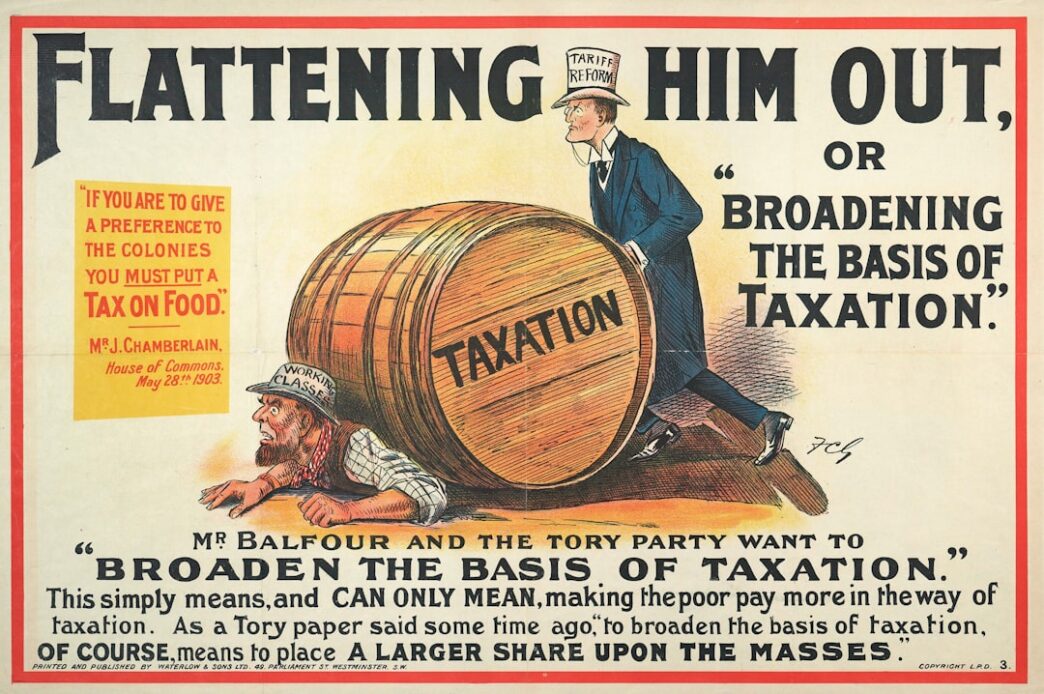
Tariffs are taxes imposed on imported goods and services, and they can significantly impact both the economy and consumers. When a country raises tariffs, the immediate effect is an increase in the cost of imported products. This can lead to higher prices for consumers as businesses pass on the increased costs to their customers. For example, if the United States raises tariffs on steel imports, domestic manufacturers using steel will face increased production costs, which can lead to higher prices for products like cars and appliances.
One of the core reasons governments impose tariffs is to protect local industries from foreign competition. While this can assist domestic producers in gaining market share, it often comes with trade-offs. The prices for goods can rise, and consumers may have fewer choices as imported products become more expensive or scarce. Additionally, retaliatory tariffs from other countries can escalate into trade wars, further disrupting economic stability. A notable instance of this occurred during the U.S.-China trade conflict, where both countries imposed tariffs on each other’s goods, leading to increased prices and uncertainty in the market.
Economists suggest that while tariffs can provide short-term benefits to certain sectors, the long-term effects are often negative. Higher tariffs can lead to inflation, as domestic prices rise in response to reduced competition. This inflation can squeeze consumer spending power, particularly among lower- and middle-income households who spend a larger portion of their income on essential goods.
Here are some specific ways tariffs can affect the economy:
– **Increased Costs for Consumers:** Tariffs raise prices on imported goods, leading to higher costs for consumers. For instance, a 25% tariff on imported electronics might translate to increased prices on smartphones and laptops.
– **Impact on Domestic Producers:** While some local businesses may benefit from reduced competition, others that rely on imported materials may struggle. A manufacturer of furniture may face higher costs for imported wood, ultimately affecting profitability.
– **Job Market Fluctuations:** Tariffs can lead to job losses in industries reliant on exports or those that face retaliatory tariffs. For example, agriculture is often hit hard when other countries retaliate against tariffs by imposing their own on agricultural products.
– **Economic Growth Concerns:** Tariffs can inhibit economic growth by creating uncertainty in trade relationships. Businesses may delay investments due to fears of increased costs or retaliatory measures, which can stifle innovation and expansion.
To summarize, while tariffs aim to protect domestic industries and improve trade balances, their broader implications can have significant repercussions for consumers and the overall economy. The balance between protectionism and free trade is delicate and often contentious among policymakers, businesses, and consumers alike. Understanding these dynamics is crucial for anyone looking to comprehend the complexities of international trade and its effects on everyday life.