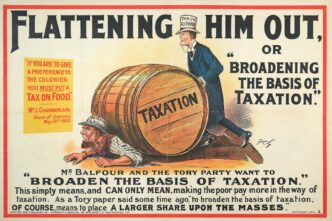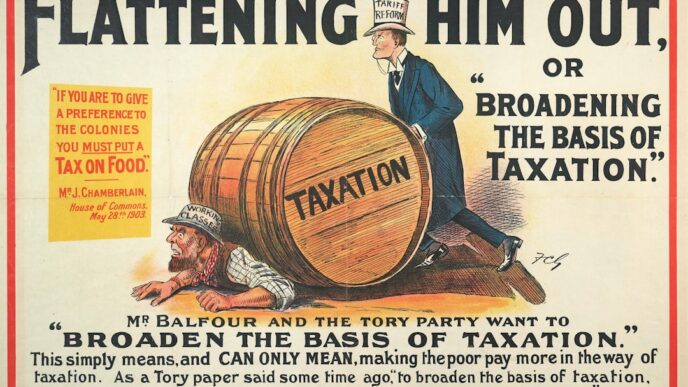

Tariffs can significantly affect consumer prices, and understanding this impact is crucial for both consumers and businesses. When a government imposes tariffs on imported goods, it effectively raises the cost of these goods. Suppliers often pass these increased costs onto consumers, which can lead to higher prices in the marketplace. For example, if a country raises tariffs on steel imports, domestic manufacturers of products like automobiles and appliances may face higher production costs, which can result in increased prices for consumers.
The relationship between tariffs and consumer prices is influenced by several factors:
– **Supply Chain Dynamics:** Many industries rely on global supply chains. A tariff on one component can ripple through to the final product. If a smartphone manufacturer faces higher tariffs on imported components, it may raise the price of the finished phone, affecting consumers directly.
– **Market Competition:** If domestic producers are unable to meet demand due to higher costs from tariffs, they may increase prices without fear of losing customers to foreign competitors. This happens when tariffs limit consumer choice, reducing competitive pressure on prices.
– **Inflationary Pressure:** Increased consumer prices from tariffs can contribute to overall inflation. For instance, when tariffs were imposed during the U.S.-China trade war, various sectors saw rising costs. The Consumer Price Index reported a noticeable increase in prices for goods affected by tariffs, showcasing how these trade policies can indirectly lead to inflation.
A real-world example is the U.S. tariffs on Chinese goods initiated in 2018. These tariffs resulted in higher prices for various consumer products, including electronics and clothing. A report from the Federal Reserve indicated that the tariffs led to an increase in consumer prices by approximately 0.3% overall. This rise, while seemingly small, can accumulate significantly across the economy and affect household budgets.
Additionally, certain economic sectors may be more affected by tariffs than others. For instance, agricultural products often face tariffs that can lead to price fluctuations in food products. If a country imposes tariffs on imported fruits and vegetables, domestic producers may boost prices, capitalizing on reduced competition.
In summary, tariffs raise the costs of imported goods, leading to higher consumer prices. The effects can be widespread, influencing everything from manufacturing costs to retail prices. Understanding these dynamics helps consumers anticipate potential price changes in their daily purchases and allows businesses to strategize accordingly in a shifting trade landscape.