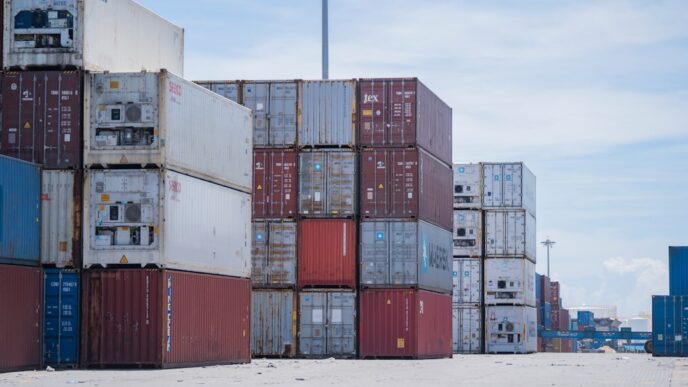

When a country raises tariffs, it essentially imposes higher taxes on imported goods, which can have significant implications for its economy. One of the immediate effects is an increase in the cost of imported products. Businesses that rely on foreign materials or goods may face higher expenses, which can lead to increased prices for consumers. This inflationary pressure can reduce purchasing power, as people may have to spend more for the same products.
Moreover, tariffs can disrupt trade relationships. Countries affected by the tariffs may retaliate by imposing their own tariffs on exports from the tariff-imposing country. For instance, during the U.S.-China trade war, the U.S. imposed tariffs on a wide range of Chinese goods, prompting China to retaliate with tariffs on American agricultural products. This created a cycle of escalating trade barriers, affecting not just the countries involved but also global supply chains and markets.
In the longer term, raising tariffs can lead to a decline in economic growth. While some domestic industries may benefit from reduced competition, consumers ultimately bear the brunt of the increased prices. Additionally, businesses may invest less due to uncertainty and decreased access to international markets, which can stifle innovation and efficiency.
Key points to consider include:
– **Inflation:** Higher tariffs can lead to increased prices for consumers as businesses pass on costs.
– **Retaliation:** Affected countries may impose their own tariffs, leading to trade wars and further economic complications.
– **Economic Growth:** While some domestic sectors may temporarily benefit, overall economic growth could suffer due to reduced trade and investment.
Real-world examples illustrate these points. In 2018, the U.S. implemented significant tariffs on steel and aluminum imports, aiming to protect domestic producers. Initially, this move benefited some American steel manufacturers, but it also raised prices for industries reliant on these metals, such as automotive and construction sectors. The long-term effects included job losses in affected industries and increased consumer prices, highlighting the complex interplay of tariffs and economic health.
Countries need to weigh the short-term benefits of protectionism against the potential long-term consequences. Policymakers often face pressure to protect local jobs, but the broader economic implications of tariffs can lead to a net negative outcome for the economy as a whole. Balancing these considerations is crucial for sustainable economic policy.