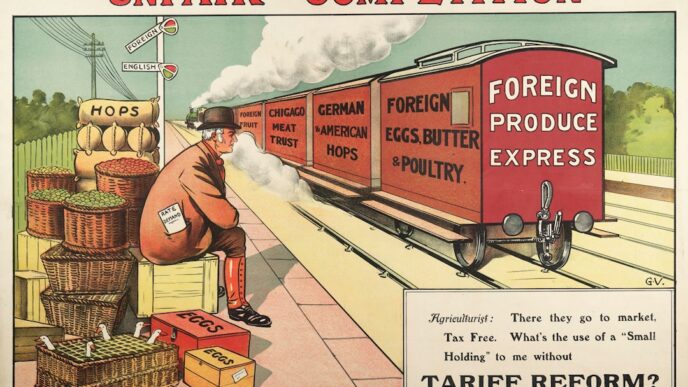

Raising tariffs on imported goods can lead to several immediate and long-term effects on a country’s economy. Initially, higher tariffs make imported goods more expensive, which can prompt consumers to switch to domestically produced alternatives. This can give a temporary boost to local industries, as they may see increased sales due to reduced competition from foreign products.
However, the situation is more complex. Tariffs can lead to retaliatory measures from other countries, potentially sparking a trade war. For example, when the U.S. imposed tariffs on steel and aluminum in 2018, countries like Canada and the European Union responded with their own tariffs on American goods, affecting various sectors including agriculture and manufacturing. This back-and-forth can disrupt trade relationships and lead to a decrease in overall trade volumes.
In addition to affecting trade relationships, raising tariffs can alter prices for consumers and businesses. As imported goods become more expensive, domestic producers may also raise their prices, leading to inflationary pressures. Consumers might end up paying more for everyday items, like electronics, clothing, or food, which can diminish purchasing power.
It’s also worth considering how tariffs impact employment. While some domestic jobs may be saved in industries protected by tariffs, others might be lost in sectors that rely on imported materials or components. The automotive industry is a prime example; higher tariffs on imported parts can increase production costs, potentially leading to job cuts.
Another critical aspect is the long-term economic growth implications. Increased tariffs can lead to inefficiencies in resource allocation. Industries that thrive due to protective tariffs may not be as competitive globally, resulting in a lack of innovation and reduced productivity. This can hinder overall economic growth compared to a scenario where free trade reigns and competition drives improvement.
Ultimately, while raising tariffs may provide short-term relief for specific sectors, the ripple effects can complicate the broader economic landscape. Countries must weigh the benefits of protecting domestic industries against the risks of higher consumer prices, retaliatory tariffs, and potential job losses in other sectors. The balance between protecting local economies and fostering healthy international trade relationships is a crucial consideration for policymakers.