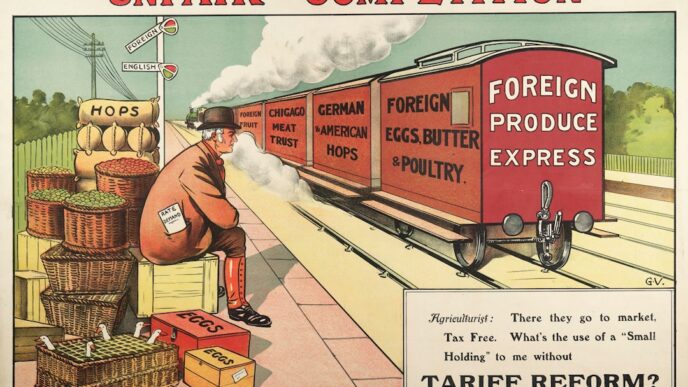
Tariffs, which are taxes imposed on imported goods, have a direct influence on domestic prices and the overall economy. When a country raises tariffs, the immediate effect is typically an increase in the price of imported goods. This happens because importers pass on the added tax burden to consumers. As a result, consumers may face higher prices for products that rely on foreign supply, leading to inflationary pressure in the economy.
For example, when the United States imposed tariffs on steel and aluminum in 2018 under the Trump administration, it affected various industries reliant on these materials. U.S. manufacturers faced higher costs for raw materials, which led many to raise prices on finished goods. This hike impacted consumers directly, making products like cars and appliances more expensive. In such a situation, the inflation rate can rise, affecting purchasing power and consumer behavior.
In addition to raising consumer prices, tariffs can also impact domestic production and employment. While some industries may benefit from reduced foreign competition, others could suffer. For instance, domestic manufacturers that use imported materials might cut back on production or lay off workers due to increased costs. This can create a ripple effect in the economy, potentially leading to job losses in sectors that depend on those industries.
Notably, tariffs can also provoke retaliatory measures from other countries. When one country raises tariffs, those affected may respond with their own tariffs, exacerbating trade tensions and leading to a cycle of retaliation. An example of this is the trade dispute between the U.S. and China, where both nations imposed tariffs on each other’s goods. This not only disrupted global supply chains but also created uncertainty for businesses and consumers alike.
Here are some key points to consider regarding the impact of tariffs:
– **Increased Prices:** Tariffs generally lead to higher prices for consumers, especially for goods that rely heavily on imports.
– **Domestic Producers:** Some local industries may benefit from reduced foreign competition, while others may suffer from higher input costs.
– **Employment Effects:** Job losses can occur in sectors affected by rising production costs, while jobs may shift to industries that gain from protectionist measures.
– **Retaliation:** Countries affected by tariffs often implement their own tariffs, leading to broader trade conflicts that can destabilize global markets.
In summary, while intended to protect domestic industries, raising tariffs can lead to higher prices for consumers and create a complex web of economic consequences that affect employment and international trade relations. Policymakers must weigh these effects carefully when considering adjustments to trade policy, as the ramifications can ripple through the economy in unpredictable ways.