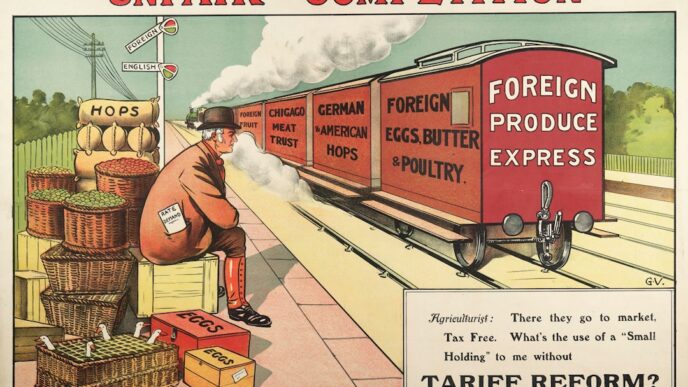

Tariffs significantly influence the prices of consumer goods by increasing the cost of imported products. When a country imposes tariffs, it essentially adds a tax on goods coming from other nations. This leads to higher prices for consumers, as manufacturers and retailers often pass these extra costs onto buyers. For example, if the U.S. imposes a 25% tariff on steel imports, companies that rely on this steel for manufacturing items like cars or appliances may raise their prices to offset the increased costs.
The effects of tariffs can ripple through the economy in various ways. When import costs rise, domestic producers might benefit in the short term as their products become more competitive. However, if those producers also rely on imported materials, they may face increased production costs that can lead to higher prices overall. This can result in inflationary pressure as consumers end up paying more for everyday items.
Consider the 2018 tariffs imposed on various Chinese goods by the U.S. government. Retail prices for items such as electronics, furniture, and even food products increased as businesses adjusted to the new trade landscape. An example is the price of washing machines, which rose significantly due to tariffs on imported models. This situation exemplifies how tariffs can lead to immediate price increases for consumers, affecting purchasing power and overall economic health.
Here are some key points about how tariffs affect prices:
– **Cost Increase**: Tariffs raise the cost of importing goods, contributing to higher retail prices.
– **Domestic Competition**: While some domestic industries may thrive due to decreased competition from imported goods, the overall price level can still increase.
– **Supply Chain Disruption**: Tariffs can disrupt supply chains, leading to inefficiencies and further cost increases.
– **Consumer Choices**: Higher prices may lead consumers to seek alternative products or brands, affecting market dynamics.
In some cases, tariffs can also provoke retaliation from other countries, resulting in a trade war. For instance, after the U.S. implemented tariffs on steel and aluminum, several countries retaliated with their own tariffs on American goods, which further complicated the pricing landscape for consumers. This tit-for-tat approach can create a cycle of escalating prices and shrinking choices for consumers.
Ultimately, while tariffs are often implemented to protect domestic industries, their unintended consequence is a direct hit to consumer wallets. The interconnectedness of global trade means that even small shifts in tariff policy can lead to larger economic ramifications, making it essential for consumers, businesses, and policymakers to consider the broader implications of such trade measures.