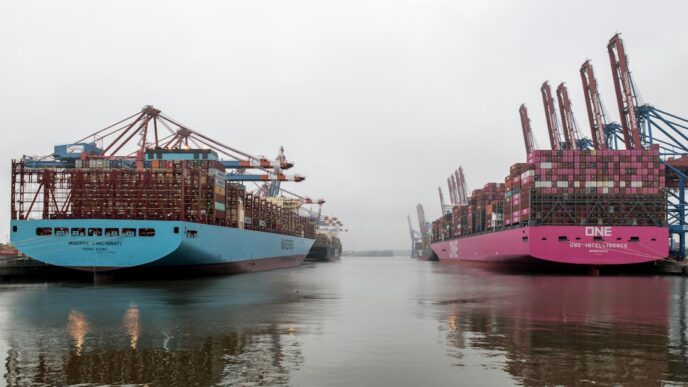
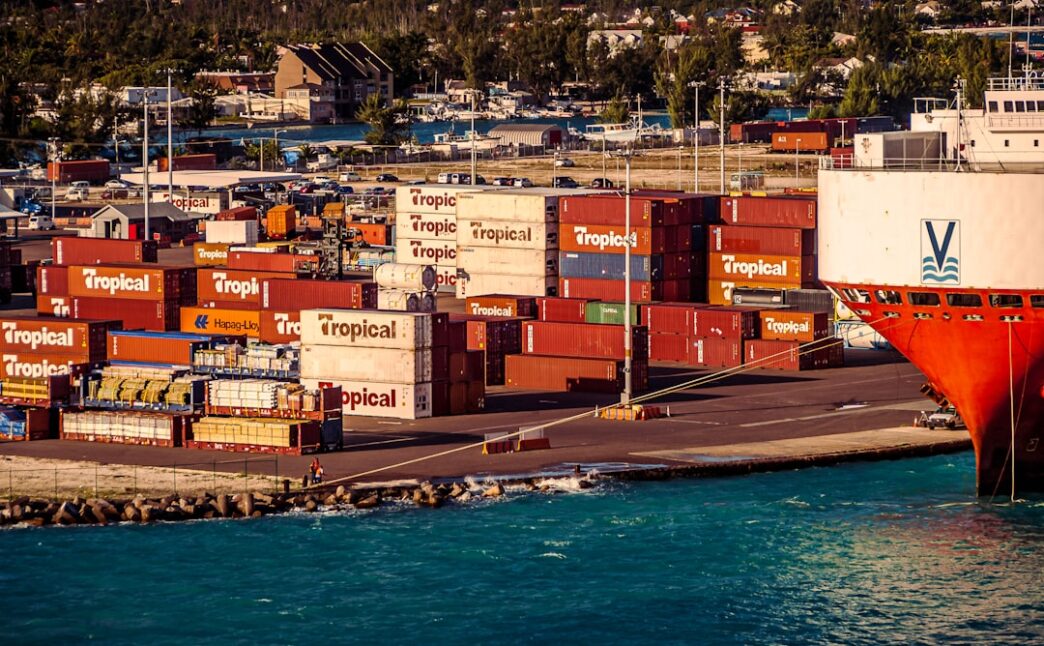
Tariffs directly increase the costs of imported goods, leading to higher prices for consumers. When a government imposes tariffs, it adds a tax on foreign products, making them more expensive compared to domestic items. This can create a ripple effect throughout the economy. For instance, if a country raises tariffs on steel imports, manufacturers relying on steel may face higher production costs. These increased expenses are often passed down to consumers through higher prices for finished products, such as cars and appliances.
Additionally, tariffs can distort market competition. Domestic producers may benefit initially from reduced foreign competition, allowing them to raise prices without losing customers. While this can seem beneficial in the short term, it often leads to decreased innovation and efficiency in domestic industries because they lack the pressure to compete with lower-priced imports.
A concrete example of this can be observed in the United States’ trade policies during 2018, when tariffs were imposed on various goods, including steel and aluminum. These tariffs were part of the broader trade war with China, aimed at protecting American manufacturing. However, the immediate aftermath saw rising prices for construction materials and consumer goods, which affected various sectors including construction and automotive industries.
On the consumer side, everyday items became more expensive for families. The National Association of Home Builders reported that tariffs contributed to a significant increase in the cost of building homes, ultimately making housing less affordable for many.
Moreover, the intended goals of tariffs can lead to unintended consequences. For instance, while protecting domestic industries is a primary aim, these measures can inspire retaliatory tariffs from other countries. This can escalate into a trade war, further increasing prices and disrupting global supply chains.
To sum up, while tariffs can provide short-term relief for certain domestic industries, they generally lead to increased costs for consumers and can disrupt the overall efficiency of the economy. The long-term economic impacts are often mixed, illustrating the complexity of trade policies and their effects on everyday life.