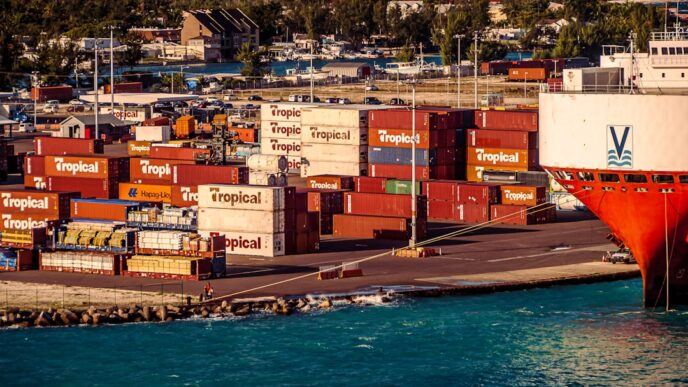

Raising tariffs can significantly affect both consumers and businesses within a country. When a government increases tariffs on imported goods, it essentially raises the costs of those goods. This often leads to higher prices for consumers who rely on imports for their everyday needs. For example, if a country imposes higher tariffs on imported electronics, the prices of these products may rise, affecting consumers who might have limited alternatives.
Tariffs also impact businesses, particularly those that rely on imported materials. Companies that import raw materials may experience increased production costs, which can lead to higher prices for their final products as well. This situation creates a ripple effect throughout the economy. For instance, if the U.S. imposed higher tariffs on steel imports, American manufacturers using steel would face increased costs, potentially leading to higher prices for cars and appliances. Ultimately, this can diminish consumer purchasing power and affect overall economic growth.
Moreover, raising tariffs can provoke retaliatory measures from other countries, leading to a trade war. This was observed during the U.S.-China trade tensions, where both nations imposed tariffs on each other’s goods. As a result, industries such as agriculture in the U.S. faced difficulties selling products like soybeans to China, which led to significant financial strain for farmers.
Key points to consider about the effects of increased tariffs include:
– **Increased Costs:** Businesses may pass on the higher costs of imported goods to consumers to maintain profit margins.
– **Consumer Choices:** Domestic alternatives may be limited, forcing consumers to pay higher prices for less variety.
– **Economic Growth:** Higher consumer prices can reduce spending, leading to slower economic growth.
– **Retaliation Risks:** Other countries might respond with their own tariffs, disrupting global trade and affecting various sectors.
In the long run, while tariffs may protect certain domestic industries, they can create inefficiencies and limit competition. Consumers often bear the brunt of these policies, facing higher prices and fewer choices. The overall economic impact can lead to tensions between nations and complicate international trade relations.
Understanding the nuanced effects of tariffs is essential for both consumers and businesses navigating the global market. Being aware of these dynamics can help stakeholders make informed decisions in an evolving economic landscape.