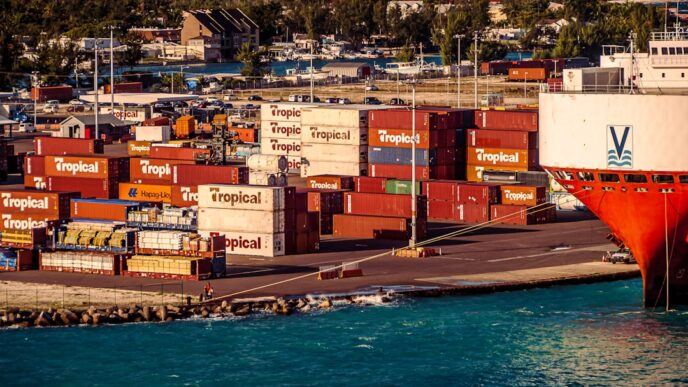

Raising tariffs on imported goods typically leads to a series of direct and indirect economic effects. When a country imposes higher tariffs, it increases the cost of foreign products, making them more expensive for consumers and businesses that rely on these imports. This can encourage consumers to buy domestically produced goods, potentially boosting local industries. However, the higher prices can also lead to inflation, as businesses pass on the increased costs to consumers.
For example, when the United States raised tariffs on steel and aluminum in 2018, it aimed to protect domestic manufacturers. Initially, U.S. steel producers saw a surge in demand, which seemed positive. However, industries that relied on these metals, such as construction and automotive, faced increased costs. This situation often leads to a paradox where the initial beneficiaries of protectionist policies face higher prices for raw materials, which can stifle growth.
The broader economic impact of tariffs can also manifest in retaliation from trade partners. Countries affected by U.S. tariffs might respond by imposing their own tariffs on American goods. This tit-for-tat escalation can result in what is commonly referred to as a trade war. A notable instance occurred when China responded to U.S. tariffs with its own, targeting key sectors like agriculture. U.S. farmers faced significant losses due to reduced exports, which illustrated how interconnected global trade systems are.
In addition to inflationary pressures and international retaliation, raising tariffs can disrupt supply chains. Many companies operate on a just-in-time basis, relying on timely imports to maintain production schedules. Increased costs and delays can lead to reduced efficiency and ultimately harm competitiveness.
Consider industries that heavily depend on global supply chains, such as electronics or automotive manufacturing. A tariff increase can lead to higher production costs, forcing companies to raise prices or cut back on investment. This can slow economic growth in the long run, even if short-term effects appear beneficial for specific sectors.
The long-term consequences of raising tariffs often extend beyond immediate economic impacts. Consumer behavior may shift as people adapt to higher prices, which can change purchasing patterns and preferences. Moreover, businesses may invest in automation or other efficiency improvements to counteract higher costs, which can lead to job displacement in traditional sectors.
Countries must balance the short-term advantages of tariff increases with potential long-term repercussions. Policymakers often face a challenging dilemma: protect domestic industries while avoiding significant harm to the economy as a whole. The complex interplay of tariffs and international trade dynamics requires careful consideration to ensure that the benefits outweigh the potential drawbacks.
Ultimately, while tariffs can provide temporary relief to specific industries, their broader impact on the economy can be complex and far-reaching, often leading to unintended consequences that policymakers must navigate carefully.